
The Incident
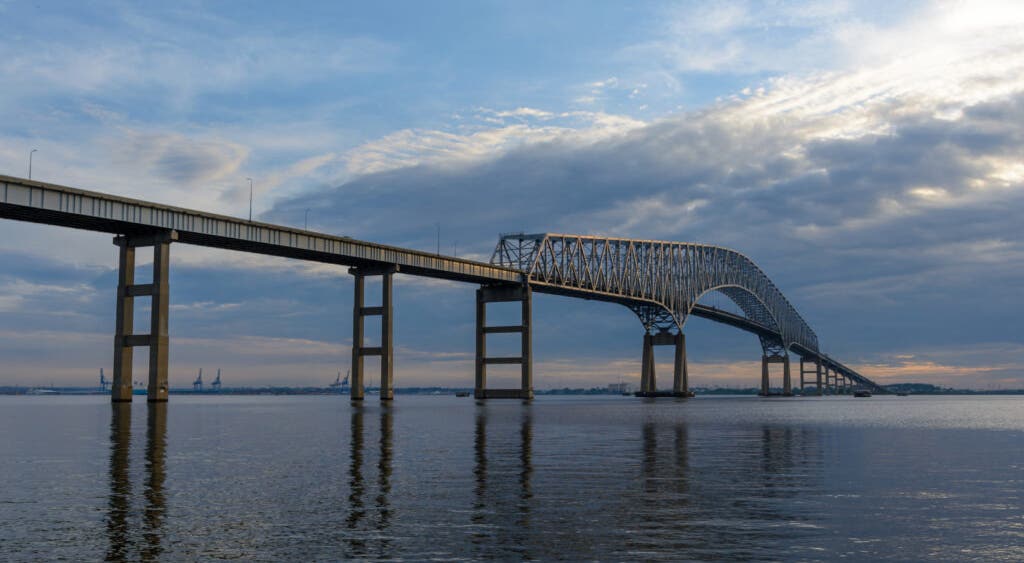
The maritime world faced a tumultuous day with the shocking collapse of the Francis Scott Key Bridge in Baltimore. The tragic accident, caused by a container ship named Dali, operated by charter vessel company Synergy Group and chartered by the Danish shipping behemoth AP Moller Maersk, has sent ripples through the industry.
Following the incident, Maersk witnessed a nearly 6% drop in its shares on Tuesday. The implications for the company remain unclear as investigations unfold, with all eyes on the unfolding situation.
In a carefully worded statement, Maersk conveyed, “We are closely following the investigations conducted by authorities and Synergy, and we will do our utmost to keep our customers informed.”
Port of Baltimore Significance
Known as a vital shipping hub, Baltimore ranks as the ninth-largest U.S. port for international cargo. In the bustling year of 2023, it handled an impressive 52.3 million tons valued at nearly $81 million, as per figures from Maryland Gov. Wes Moore’s office.
In the wake of the tragic event, Governor Moore expressed gratitude, stating, “We are thankful for the brave men and women who are carrying out efforts to rescue those involved and pray for everyone’s safety.”
Amid the chaos, the Maryland Port Administration announced the suspension of vessel traffic to and from the Port of Baltimore until further notice, with operations within the terminals continuing despite the disruption.
Implications on Global Supply Chains
Baltimore’s significance extends beyond regional boundaries, notably serving as a crucial port for the U.S. automobile industry. In 2023, the port facilitated the transport of 847,158 cars and light trucks, showcasing its pivotal role in trade.
While U.S. automakers General Motors Company and Ford Motor Company witnessed minimal market impacts, shipping lines faced the brunt of the fallout. The incident further exacerbates challenges in global supply chains, adding to existing woes stemming from disruptions in the Red Sea and Panama Canal.
Citigroup’s Andrew Hollenhorst highlighted the detrimental effect of supply side shocks on the economy, emphasizing capacity reduction and inflationary pressures as significant concerns. Analysts, including Emily Stausbøll from shipping-analytics company Xeneta, echoed these sentiments, underlining the mounting challenges faced by Far East to US East Coast shipping routes.
The SonicShares Global Shipping ETF, monitoring global freight company prices, experienced a slight dip, reflecting the industry’s unease. Companies within the ETF, such as Golden Ocean Group Ltd and Star Bulk Carriers Corp, faced downward trends in stock values, signaling market apprehension.
Cruise lines operating from Baltimore, including Carnival Corp and Royal Caribbean Cruises Ltd, showcased resilience in the face of adversity, with shares trading higher in the wake of the incident.
5 Stocks Our Experts Predict Could Double In the Next Year
By submitting your email, you'll also get a free pivot & flow membership. A free daily market overview. You can unsubscribe at any time.