Tariff Turmoil: Assessing Investments in Ford Amid Uncertainty
President Trump’s recent tariffs have created turmoil in the Stock market, prompting uncertainty among business leaders as they seek to formulate long-term strategies. Investors are monitoring any signals of a more lenient approach from the Trump administration, making it no surprise that his remarks about wanting to “help some of the car companies” have caught their attention, especially in light of ongoing 25% auto tariffs.
Market Reactions to Tariff Statements
Under this backdrop, the stocks of both Ford (NYSE: F) and General Motors saw a boost following Trump’s comments. On the day Trump spoke, Ford’s share price jumped approximately 4%. However, relying on shifting sentiments from the president to invest in Ford may not be a wise strategy, and here’s why.

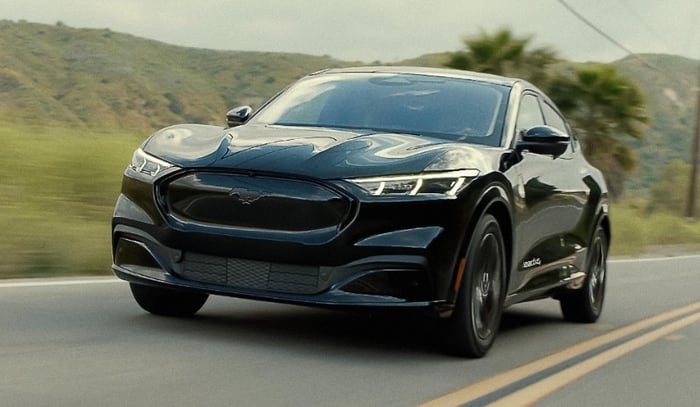
Image source: Ford.
President Trump’s Uncertain Commitment
Investing based on one presidential remark can be risky. Trump may change his stance at any moment. Earlier this month, his administration both announced and rolled back severe tariffs within a 24-hour window. Meanwhile, tariffs on imports from China remain prohibitively high at 145%.
If investors expect the Trump administration to provide Ford or other domestic automakers with a permanent relief from tariffs, they are essentially betting on an unpredictable variable. The president’s support could vanish as swiftly as the tariffs were imposed, leading to further market instability.
The Economic Impact of Tariffs
Trump’s auto tariff agenda aims to revitalize U.S. automotive manufacturing, but the financial burden on companies like Ford is substantial. Currently, about 17% of Ford’s North American production occurs in Mexico and Canada. Long-term auto tariffs could inflate the prices of both new and used vehicles by an average of 13.5%. Despite potential pauses on tariffs, other significant tariffs—such as a 10% levy on various goods—remain, particularly for products imported from China. Many economists and CEOs fear that considerable economic challenges lie ahead.
According to a recent Wall Street Journal survey, the risk of a recession is assessed at 45% over the coming year. In a separate survey, over half of CEOs anticipate a recession within the next half-year.
Historically, consumer spending on vehicles drops during economic downturns. For instance, during the Great Recession, new vehicle sales plummeted by 40% in just one year, equating to a $107 billion reduction in sales. Presently, economic apprehension among consumers is evident; a recent CNBC survey found that 70% of Americans express stress about their personal finances, attributing their concerns primarily to inflation, interest rates, and tariffs.
Critical Timing for Investment Decisions
Given the current climate of uncertainty surrounding Ford, the auto industry, and the larger economy, potential investors should approach with caution. While there’s no definitive indication of an imminent recession, if economic slowdowns do arise as a result of tariffs, Ford may face substantial pressure. CEO Jim Farley noted the gravity of the situation, stating earlier this year: “Long term, a 25% tariff across the Mexico and Canada borders would blow a hole in the U.S. industry that we’ve never seen.”
Moreover, any “help” from the Trump administration may not adequately resolve Ford’s challenges. Even if tariffs decline, the ongoing trade war with China and other existing tariffs could still hinder economic growth.
Should You Invest $1,000 in Ford Motor Company Right Now?
Before making an investment in Ford Motor Company, consider this:
The Motley Fool Stock Advisor analyst team has recently identified what they consider the 10 best stocks to buy now, and Ford is not among them. The stocks that made this list have shown potential for impressive returns in the coming years.
For perspective, when Netflix appeared on this list back on December 17, 2004, a $1,000 investment would now be worth $566,035*.
Similarly, Nvidia was recommended on April 15, 2005; an investment of $1,000 at that time would now be valued at $629,519!*
It’s crucial to note that Stock Advisor has achieved a return of 829%, significantly outperforming the S&P 500’s 155%.
Take a look at the 10 stocks »
*Stock Advisor returns as of April 21, 2025
Chris Neiger has no position in any of the stocks mentioned. The Motley Fool recommends General Motors. The Motley Fool has a disclosure policy.
The views and opinions expressed herein are the views and opinions of the author and do not necessarily reflect those of Nasdaq, Inc.