InvestorPlace – Stock Market News, Stock Advice & trading Tips
Over the past decade, the Nasdaq 100 index has demonstrated its resilience, outperforming both the S&P 500 and the Dow Jones Industrial Average by a noteworthy margin. This trend holds even when reflecting on the tumultuous events of the early 2000s, including the dot-com crash and the impact of 9/11. Despite the occasional challenges, investors continue to flock to Nasdaq 100 stocks, entranced by the remarkable growth opportunities they present.
The frenzied growth in technology stocks has not only bolstered the market but has also significantly contributed to economic prosperity. The index witnessed a remarkable surge of over 55% the previous year alone. While one might anticipate a dip this year following such meteoric growth, historical data offers a contrasting narrative. In the forty years following a market recovery post a downturn, the subsequent year has yielded an average return of 31.8% – a compelling statistic that underscores the long-term potential of Nasdaq 100 stocks.
While past performance does not guarantee future results, historical trends offer a glimmer of hope for prudent investors. Choosing to invest in these three sturdy Nasdaq 100 stocks could prove to be a wise move for those eyeing the long haul.
The Resilience of Texas Instruments (TXN)

Source: Katherine Welles / Shutterstock.com
Amidst the AI chip frenzy dominating current discussions, analog chips – the unsung heroes underpinning our technology landscape – often get overlooked. These chips form the backbone of various gadgets, facilitating the transfer of audio, video, and image files across a range of devices, from automobiles and smartphones to appliances and digital cameras. Leading the charge in analog chip production is Texas Instruments (NYSE: TXN), commanding a notable 20% market share.
While Texas Instruments faced a momentary setback with declining sales and narrow margins amidst the global chip shortage, analysts predict a turnaround in 2025, as businesses streamline their existing oversupplies. The semiconductor industry operates in cycles, characterized by periodic peaks and troughs, with an overall upward trajectory over the long term. This growth trajectory extends to TXN stock, which has delivered an impressive total return of 440% over the past decade, surpassing the S&P 500’s 176% return.
What makes TXN stock an appealing long-term investment is its focus on producing low-profile, yet essential, chips. While investors flock to high-profile chip manufacturers, Texas Instruments offers more favorable valuations, trading at a reasonable 23 times trailing earnings. As analysts project a profit growth rate twice the magnitude of the last five years for the upcoming five-year period, this no-nonsense stock presents a compelling investment opportunity.
Netflix’s (NFLX) Tenacity in the Streaming Arena

Source: izzuanroslan / Shutterstock.com
Front and center in the streaming video domain is Netflix (NASDAQ: NFLX), a trailblazer in its own right. Netflix’s seamless foray into the streaming business led many movie studios to believe replicating its success would be a walk in the park. However, the past two years have debunked this notion, revealing the challenges of profitability in this arena.
The pandemic era witnessed a surge of new streaming services, leading to an overcrowded market. Netflix faced the uphill task of acquiring new content at a substantial cost, unlike its counterparts with existing content libraries. The ensuing period earmarked a forthcoming shakeout in the streaming video space.
While competitors like Disney (NYSE: DIS), Paramount Global (NASDAQ: PARA), and Warner Bros Discovery (NASDAQ: WBD) grapple with subscriber losses and financial setbacks, Netflix stands out as a beacon of stability, gaining subscribers consistently.
The market response to NFLX stock has been nothing short of spectacular, with shares more than tripling in value from their 2022 nadir. Industry consolidation underway underscores Netflix’s resilience and future prospects.
Lam Research (LRCX) – Elevating the Semiconductor Landscape
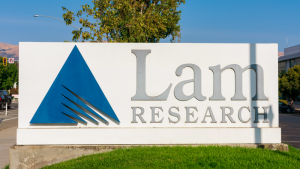
Lam Research (NASDAQ: LRCX), on the other hand, occupies a highly specialized niche within the semiconductor industry, manufacturing cutting-edge semiconductor equipment that enables the production of sophisticated, densely packed chips essential for AI applications and emerging markets. Analysts foresee a vast $38 billion market opportunity for the company, particularly in next-generation technologies like etching.
LRCX stock has been nothing short of a rocket ship, yielding a remarkable return of over 1,950% in the past decade, eclipsing the Nasdaq’s 442% return. The ongoing memory chip recovery bodes well for Lam Research’s future prospects, alongside the resurgence of prices in memory chips amidst the chip shortage reversal. Additionally, the surging demand for AI chips anticipates an upsurge in equipment orders, further bolstering Lam Research’s position.
Positioned as a critical player in the semiconductor ecosystem, Lam Research embodies a strategic investment, poised to capitalize on the industry’s resurgence alongside chipmakers. This robust stock is a quintessential set-and-forget asset for your investment portfolio.
Rich Duprey has steered his investment ship towards a LONG position in WBD stock. The thoughts expressed in this article are solely those of the author, aligning with the InvestorPlace.com Publishing Guidelines.
With 20 years dedicated to dissecting and unraveling the complexities of stocks and investments, Rich Duprey has imprinted his insights across various platforms, including Nasdaq.com, The Motley Fool, and Yahoo! Finance. His expertise has been referenced by an array of U.S. and international publications, ranging from MarketWatch and Financial Times to Forbes and Fast Company, underscoring his influence in the financial realm.
More Insights from InvestorPlace
This elucidative piece uncovers 3 steadfast Nasdaq 100 stocks that promise perennial growth, resonating the essence of long-term investment strategies in a dynamic market landscape.
The author’s views and opinions are self-authored and do not necessarily mirror those of Nasdaq, Inc.