Maximizing Income: A Look at Pitney Bowes Inc’s Investment Strategies
Maximize Returns with Covered Call Options
Shareholders of Pitney Bowes Inc (Symbol: PBI) may want to explore ways to increase their income beyond the current 2.7% annualized dividend yield. One option is to sell covered calls for January 2027 at the $15 strike price, with a bid premium of 70 cents. This strategy represents an annualized additional return of 4.7% on top of the existing yield, bringing a total potential return to 7.4% annually if the stock isn’t called away. However, if PBI shares rise above $15, shareholders will lose any gains beyond that point. Remarkably, for the stock to reach $15, it must increase by 104.9%, which would lead to an overall return of 114.5% if the stock is called, including any dividends received before the call.
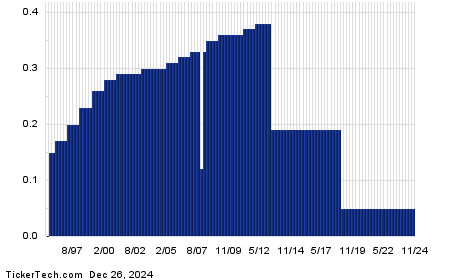
The unpredictability of dividend amounts typically corresponds with a company’s profitability. By examining the dividend history chart for PBI, investors can gain insights into the likelihood of the current dividend yield being maintained at 2.7%.

An additional chart illustrates PBI’s twelve-month trading history, with the $15 strike marked in red:

The provided charts, alongside the stock’s historical volatility, can assist in evaluating whether selling the January 2027 covered call at the $15 strike offers a fair reward for the risk of capping possible gains beyond that price. Notably, most options do tend to expire worthless, a common misconception that can mislead investors. Currently, the twelve-month volatility for Pitney Bowes Inc (based on the last 251 trading days and today’s price of $7.38) stands at 50%. To explore additional call options with various expirations, please visit the PBI Stock Options page on StockOptionsChannel.com.
In the midst of afternoon trading on Thursday, put volume for S&P 500 components reached 709,347 contracts, while call volumes were at 1.43 million, resulting in a put:call ratio of 0.50 for the day. This figure indicates significantly higher call volume compared to puts, as it falls well below the long-term median put:call ratio of 0.65. Essentially, today’s data suggests that buyers favor call options over puts.
For a closer look at the trending 15 call and put options, traders have been discussing today, you can find more information below.
 Top YieldBoost Calls of the S&P 500 »
Also see:
- Metals Channel
- Top Ten Hedge Funds Holding SCHG
- AIMC Options Chain
The views and opinions expressed herein are those of the author and do not necessarily reflect the views of Nasdaq, Inc.