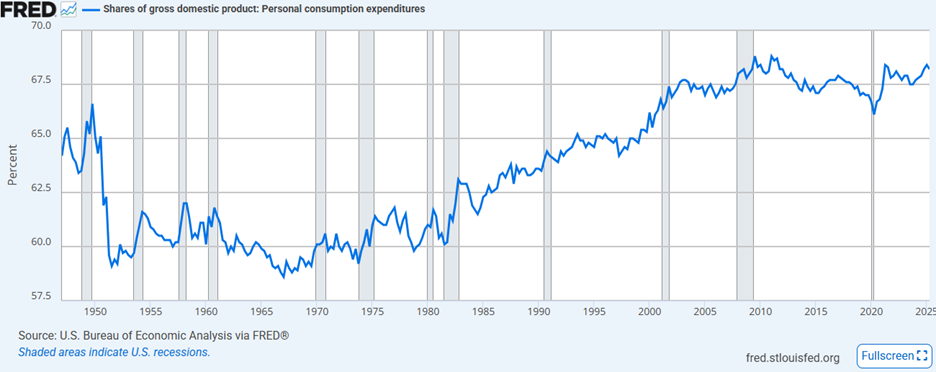
The rapid expansion of AI infrastructure is projected to require trillions of dollars over the next decade, with major projects like Meta’s $27 billion Hyperion data center in Louisiana being financed through private credit lenders. However, while AI offers substantial cost-saving potential by replacing human workers, it cannot generate consumer spending, which drives nearly 70% of U.S. GDP.
Recent research indicates that 95% of organizations have seen zero return on their investments in generative AI, despite cumulative enterprise spending of $30 billion to $40 billion. This raises concerns about a potential economic slowdown, as decreased consumer income from job replacements could lead to weakened corporate revenues and, consequently, reduced AI spending.
As companies heavily invest in AI infrastructure with high expectations of future profits, there is a growing risk that the foundational assumption of ongoing consumer spending may not be sustainable if low-wage employment becomes more prevalent. Without the consumer, the matter of long-term profitability for AI initiatives remains uncertain.