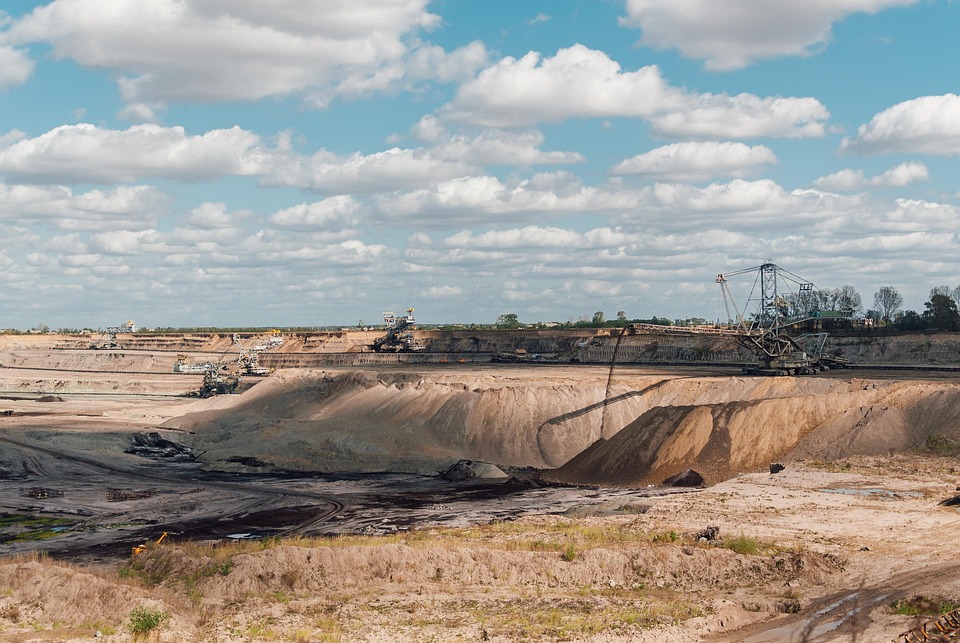
In 2026, the mining industry faces unprecedented challenges shaped by geopolitical fragmentation, intensifying climate impacts, and the urgent demand for critical minerals. Nearly 50% of respondents in White & Case’s Mining & Metals 2025 survey identify geopolitical risks, driven by events like Russia’s war in Ukraine and instability in Africa, as major factors affecting mining operations. Furthermore, the IEA’s Global Critical Minerals Outlook projects steep demand growth, which, without robust governance, could exacerbate social conflicts linked to mining activities.
Key developments include a notable shift in ESG (Environmental, Social, and Governance) strategies; 80% of large companies reported refining, rather than abandoning, their ESG approaches amidst growing political pushback in regions like the US, where over 100 anti-ESG legislative efforts were introduced by mid-2025. Also, significant risks related to AI governance and tailings management have emerged, with 67% of ICMM member facilities achieving full compliance with the Global Industry Standard on Tailings Management. Organizations now face greater scrutiny regarding climate-related financial disclosures, as mandatory reporting is initiated across numerous jurisdictions to mitigate risks associated with climate change and biodiversity loss.
Looking ahead, mining companies that effectively navigate the complex interplay of geopolitical, environmental, and social factors will be better positioned to secure capital, gain project approvals, and maintain stakeholder trust. With escalating pressure for transparency and accountability, firms must prioritize material ESG issues and adopt a data-driven approach to manage risks effectively.
5 Stocks Our Experts Predict Could Double In the Next Year
By submitting your email, you'll also get a free pivot & flow membership. A free daily market overview. You can unsubscribe at any time.