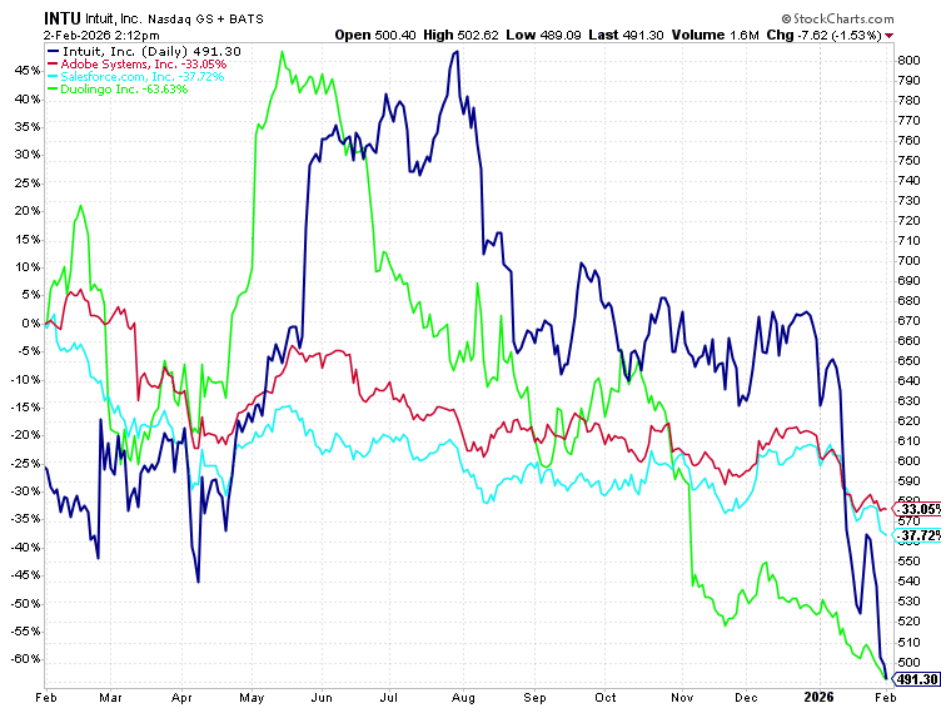
Kevin Warsh is nominated as the next chair of the U.S. Federal Reserve, signaling a potential shift away from quantitative easing (QE) as a primary market stabilizer. This change could reshape asset valuations over the next decade, leading to a division within the AI market: “AI Now” companies that monetize AI immediately, and “AI Later” businesses that rely on future cash flows.
Research indicates that under Warsh’s guidance, long-term rates may rise as investors demand higher compensation for capital tied up over time, while liquidity could become more selective. This environment would likely mean that companies currently relying on prolonged monetization strategies will struggle, as the focus shifts to those generating profits today.
The implications of this shift point toward more disciplined capital allocation, with higher long-term rates squeezing out less viable projects and potentially enhancing economic growth by prioritizing productivity and critical infrastructure investments. As the market transitions, understanding the segmentation between immediate and delayed revenue generation will be crucial for investors.
5 Stocks Our Experts Predict Could Double In the Next Year
By submitting your email, you'll also get a free pivot & flow membership. A free daily market overview. You can unsubscribe at any time.