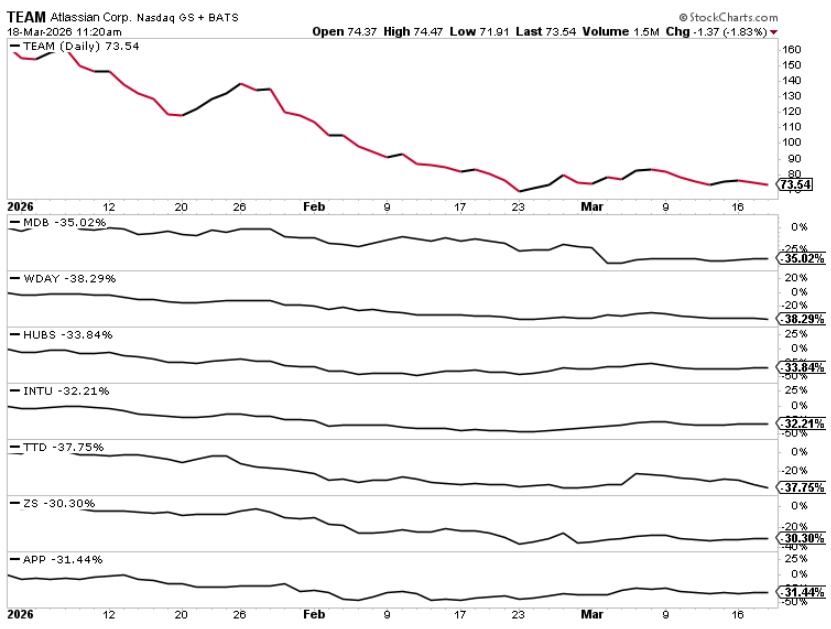
The emergence of AI is prompting a significant shift in the valuation landscape of the economy, primarily affecting digital services and software industries. Instead of enhancing the value of software products, AI is making them cheaper, disrupting traditional business models and creating what is termed the “Great Re-Materialization.” This term refers to the movement of economic value from digital services back to physical infrastructure, energy, and raw materials. Currently, tech companies make up over 30% of the S&P 500, but AI is altering this dynamic as the demand for physical resources surges.
In 2026, major investments in AI infrastructure are projected to exceed $600 billion from tech giants like Microsoft, Google, and Amazon, which will heavily utilize physical assets such as data centers and associated materials. Data center electricity demand in the U.S. is estimated to more than double by 2030, stressing existing power grids. Notably, companies that provide essential infrastructure, such as Vertiv and Modine Manufacturing, have shown strong stock performances of +67% and +50%, respectively, reflecting the transition towards physical assets amidst growing AI demand.
As the demand for traditional software solutions declines, the disparity between jobs in the digital economy and the physical workforce intensifies, with shortages of skilled workers in construction and energy sectors. This may lead to significant political and economic repercussions as expertise in physical trades becomes increasingly essential in the upcoming AI-driven economic reintegration.