Pfizer (PFE) reports that oncology is a major growth driver, contributing 27% of its total revenues. In Q1 2026, Pfizer’s oncology revenue grew 7% to $3.8 billion, driven by drugs like Lorbrena and Padcev. The company expects its recently launched products to experience continued double-digit growth, though it anticipates significant revenue declines due to patent expirations affecting key products in the 2026-2030 period, potentially reducing sales by approximately $1.5 billion.
AstraZeneca (AZN) generates approximately 44% of its total revenues from oncology, with 16 blockbuster drugs each exceeding $1 billion in sales. AZN forecasts mid-to-high single-digit revenue growth for 2026, planning to generate $80 billion in total revenues by 2030. The company’s core EPS is expected to increase by a low double-digit percentage, supported by strong demand trends despite challenges from patent expirations and pricing pressures.
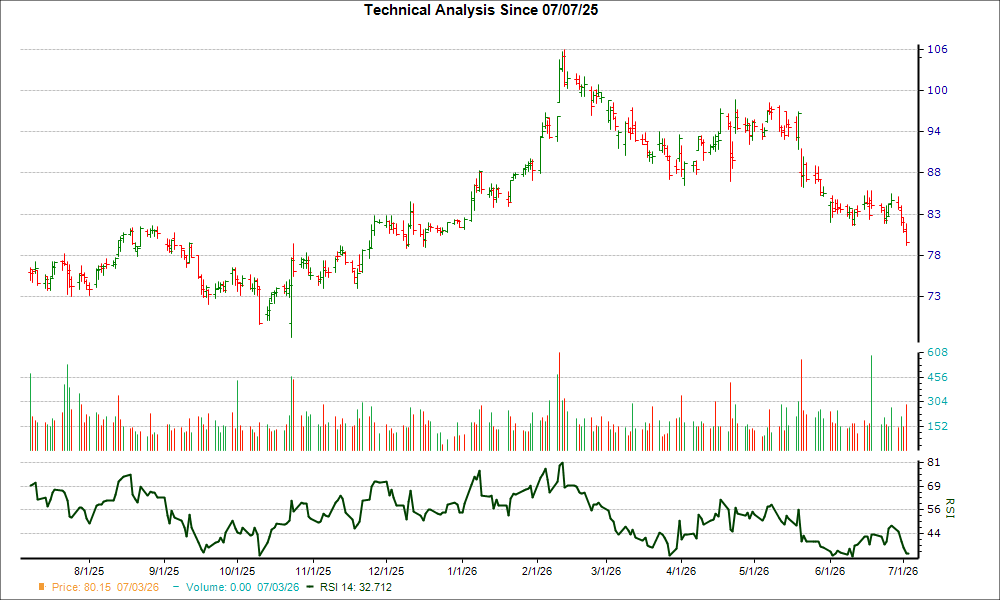
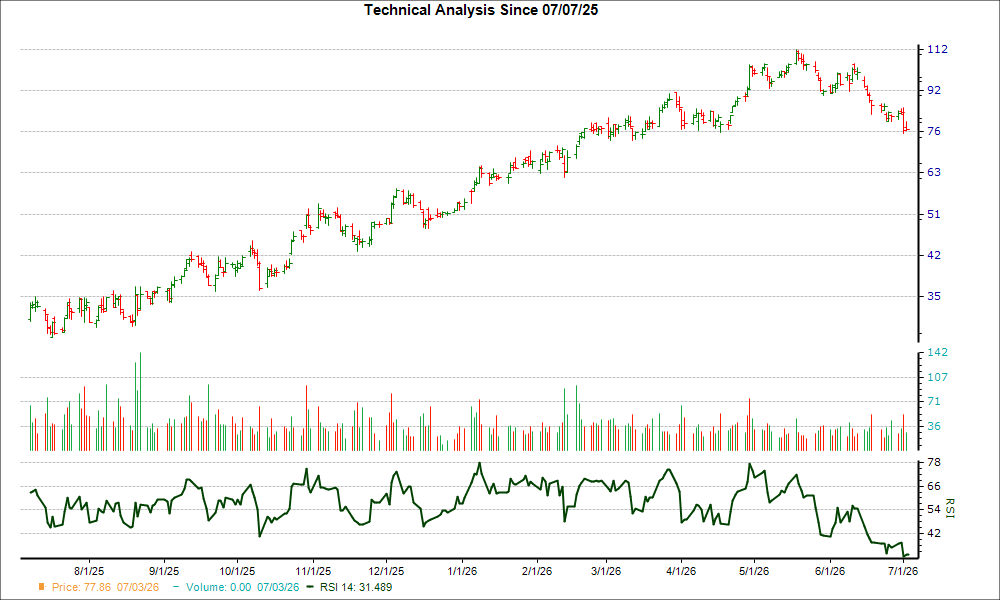
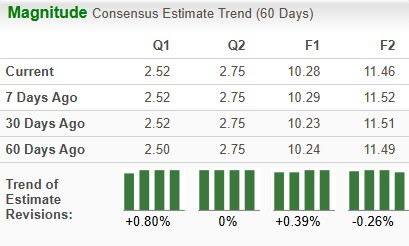
In comparative estimates, AZN is projected to see an 8.08% increase in sales and a 12.23% rise in EPS for 2026, while PFE faces a 1.17% sales decline and a 7.14% drop in EPS. Year-to-date, Pfizer’s stock has declined 1.5%, while AstraZeneca’s has risen 4.5%. Currently, AstraZeneca ranks higher with a Zacks Rank of 3 (Hold) as Pfizer holds a rank of 4 (Sell), indicating AstraZeneca’s stronger financial outlook amid Pfizer’s ongoing challenges.
5 Stocks Our Experts Predict Could Double In the Next Year
By submitting your email, you'll also get a free pivot & flow membership. A free daily market overview. You can unsubscribe at any time.