Insights into Growth Potential
Analyses of PayPal (NASDAQ:PYPL) often focus on its share buyback program, BNPL expansion, the sale of Happy Returns, and global leadership. But beneath the surface, there are four key areas that could significantly drive PYPL’s success in 2024 and beyond.
Despite recent market turbulence, it’s essential to spotlight these less-discussed but pivotal growth drivers that could shape PayPal’s trajectory in the years ahead.
The Striking Business Model
PYPL generates income through transaction fees and boasts over 428 million active accounts across 200 global markets, tapping into the projected exponential growth of the digital payment sector.
The company’s enduring competitive advantages include network effects and brand recognition, both contributing to its resilience and appeal to users.
The Network Effect
Despite a dip in active accounts, PYPL still thrives, indicating the quality over quantity of its user base. Its expanding ecosystem enhances value for all participants, a testament to the network effect.
Intangible Assets – The Power of Brand Recognition
PYPL’s years of dependable service have solidified its brand as a trusted leader. This trust, cultivated over time, gives PYPL unmatched leverage in the digital payments landscape.
The 4 Overlooked But Pivotal Catalysts for PYPL in 2024
After delving into PYPL’s business model and its inherent strengths, let’s focus on the four lesser-discussed yet instrumental growth drivers likely to shape the company’s trajectory in 2024.
The Unique Position of BNPL
Despite some previous coverage, PYPL’s BNPL stands out due to its consumer-friendly approach. Unlike rivals, PYPL’s BNPL doesn’t charge interest or late fees, making it more appealing to consumers and merchants alike.
Credit card debt hitting historic highs and interest-free installment-based purchases represent the future of credit instruments, offering a compelling alternative for budget-conscious shoppers.
PYUSD – PYPL’s Foray into Stablecoins
PYPL’s entry into stablecoins, with the PYUSD, is noteworthy. Its rapid adoption and substantial market capitalization indicate the demand for this offering, positioning PYPL as a key player in the cryptocurrency landscape.
PayPal’s Growth in the Global Market: A Deep Dive
PayPal’s foray into the world of cryptocurrency has not only opened new avenues for innovation and investment but has also been instrumental in enhancing the efficiency of its core operations. By reducing transfer costs within its extensive payment network, the company has unlocked significant potential for cost savings and streamlined currency movements without third-party intermediation or fees.
The internal stable coin initiative further adds to the prowess, enabling PayPal, its customers, merchants, and consumers to transmit funds effortlessly within its vast digital ecosystem. This move not only amplifies the company’s competitive edge but also adds a layer of credibility to PYUSD, positioning it as a formidable player in the burgeoning cryptocurrency sector.
Exploring Opportunities Beyond Borders
One overlooked area with immense growth potential is PayPal’s presence in the Chinese market. Building on the remarks by the new CEO Alex during the Q3 FY23 earnings call, the company has shown strengthening performance across Europe and a notable improvement in its business in China, particularly in facilitating cross-border payments for Chinese merchants.
PayPal’s strategic focus on powering cross-border trades instead of competing directly with domestic giants like Alipay and WeChat Pay has proven to be prudent. Its collaborations with key Chinese entities such as Baidu and UnionPay, coupled with the ability for Chinese consumers to use domestic accounts for making payments abroad, underscore the company’s commitment to catering to the specific needs of the Chinese market.
Moreover, the company’s adeptness in leveraging the global expansion of major Chinese e-commerce platforms has been a revenue booster, evidenced by the upward trajectory of its revenue figures outside the United States, reflecting its resilience and global adaptability.
Nurturing Growth Amidst Regulatory Winds
In the realm of regulatory buoyancy, PayPal’s Chinese subsidiary has made significant strides, doubling its registered capital and solidifying its position in China’s digital payment landscape. This maneuver, coupled with estimates of an 11% market share in China, positions PayPal as a formidable participant in the country’s evolving digital payment revolution, illustrating the company’s sagacity in navigating regulatory complexities and harnessing regulatory favor to fuel its growth.
Capitalizing on Macroeconomic Shifts
PayPal also stands to benefit from potential rate cuts by the Federal Reserve in 2024. The anticipated rate cuts have the potential to bolster the company’s business in myriad ways, from fueling consumer spending to making borrowing cheaper and fostering a more conducive environment for PayPal’s business trajectory. The potential macroeconomic tailwinds from Fed easing could serve as a catalyst for PayPal’s revenues and profits, aligning with its continued growth trajectory.
Navigating Risk Terrain
While PayPal’s growth trajectory appears robust, the company is not immune to risks. Foremost among these risks is the intensifying competition in the digital payments space. The industry is witnessing a deluge of players, from established leaders like Visa and Mastercard to tech behemoths such as Apple, Google, and Amazon, posing a formidable challenge to PayPal’s market standing.
Mitigating this risk will require PayPal to leverage its multi-vertical presence, technological adeptness, and strategic acumen to navigate the competitive landscape and reaffirm its position as a pioneering force in the digital payments arena.
The Potential of PayPal in 2024
PayPal’s global dominance and comprehensive network offer substantial advantages over competitors focused on specific regions or sectors. The vast scale and omni-channel presence of PYPL serve both merchants and consumers on a global scale, an accomplishment unmatched by any other payments processor.
Challenges in Gross Margin
A significant concern arises from PayPal’s historical trend of declining gross profit margins as the take rate on total payment volume shows a gradual decrease. Although the gross dollar amounts are on the rise due to increased transaction activities, shrinking margins pose risks to earnings growth.
Addressing the Issue
To counter this trend, PayPal’s new leadership has emphasized a strategic focus on sustainable, profitable expansion. During the Q3 FY23 earnings call, CEO Alex reiterated the priority of “profitable growth” six times, signaling a commitment to driving stronger financial performance through disciplined growth initiatives rather than unchecked expansion. This prioritization seeks to reassure investors that profitability won’t be sacrificed in pursuit of escalating the total payment volume.
Assessing Valuation
When evaluating PayPal’s valuation, it’s essential to consider different approaches. While some may disagree, the method of assessing a company’s price-to-sales (PS) and price-to-earnings (PE) ratios over time, using data from reliable sources, offers a comprehensive perspective on the company’s fair value.
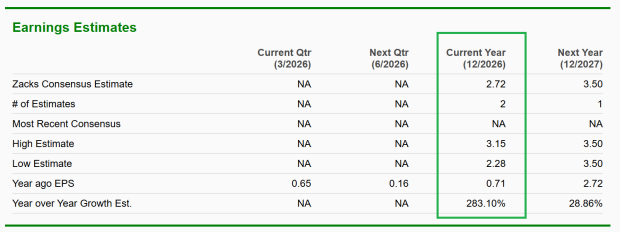
According to data from Macrotrends, PayPal’s median PE ratio across 31 quarters from Jun 2016 to Sep 2023 stands at 49.18x. Applying this ratio to the consensus estimate of $5.55 for PYPL’s EPS in 2024 implies an upside of over 350%. However, this assumption hinges on PayPal re-accelerating its revenue growth to prior levels of 15% to 20% over the next three years.
A shorter-term assessment based on Seeking Alpha articles and analysts’ price targets within the next twelve months indicates a fair value range of $56 to $160 per share. Additionally, averaged Wall Street analyst projections set the target price at $75.02, representing a 28.35% premium.
Outlook and Conclusion
Looking ahead, PayPal appears poised to benefit from numerous catalysts. The potential for cross-border transactions through popular Chinese e-commerce sites penetrating overseas markets, along with the upcoming Q4 FY23 earnings call, is creating positive sentiment around the company.
In conclusion, prevailing market sentiment suggests that PayPal is substantially undervalued, with an intrinsic fair value of $75-82 per share at minimum by the end of 2024, based on compelling fundamentals and opportunities ahead. Should strong execution persist, reaching toward a $111 price target seems achievable, reflecting the unlimited potential for PayPal as digital payments continue to ascend over the long term.