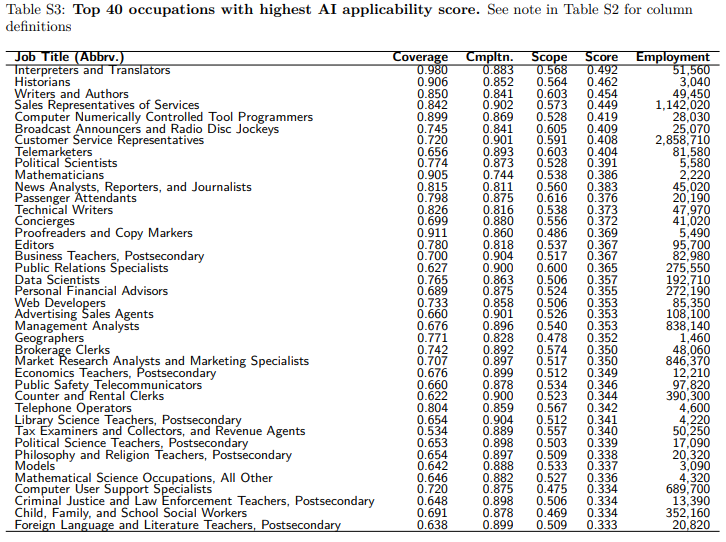
AI job displacement is accelerating, impacting up to 5 million white-collar jobs as companies adopt automated solutions over human labor. A recent report highlights that mid-level positions, including management analysts and customer service representatives, are particularly vulnerable to being replaced by AI, indicated by Microsoft’s analysis predicting significant job replacement in the near future. As corporate profits soar, unemployment has climbed to 4.6%, with a record high of 1.1 million layoffs announced in 2025, suggesting a widening gap between economic indicators and worker prosperity.
The current landscape reflects a phenomenon termed “CHAOS Economics,” where GDP growth occurs alongside stagnant real wages. The consequences mirror historical trends observed during the Industrial Revolution, with past economic expansions resulting in worker hardships. As AI continues to supplant jobs at an unprecedented pace, economists warn of increased monetary printing and the potential for “Currency Hallowing,” leading to a significant rise in consumer prices for necessities amidst crashing costs for digital goods.
Government response appears insufficient, as current policies prioritize technological advancement over job protections, driven by competition with global powers like China. The U.S. administration’s strategy emphasizes rapid innovation, which may lead to further job redundancy without meaningful regulation. Stakeholders are advised to adapt their financial strategies in response to these trends, with a focus on investing in AI-driven companies and infrastructure to mitigate personal obsolescence and capitalize on emerging economic dynamics.