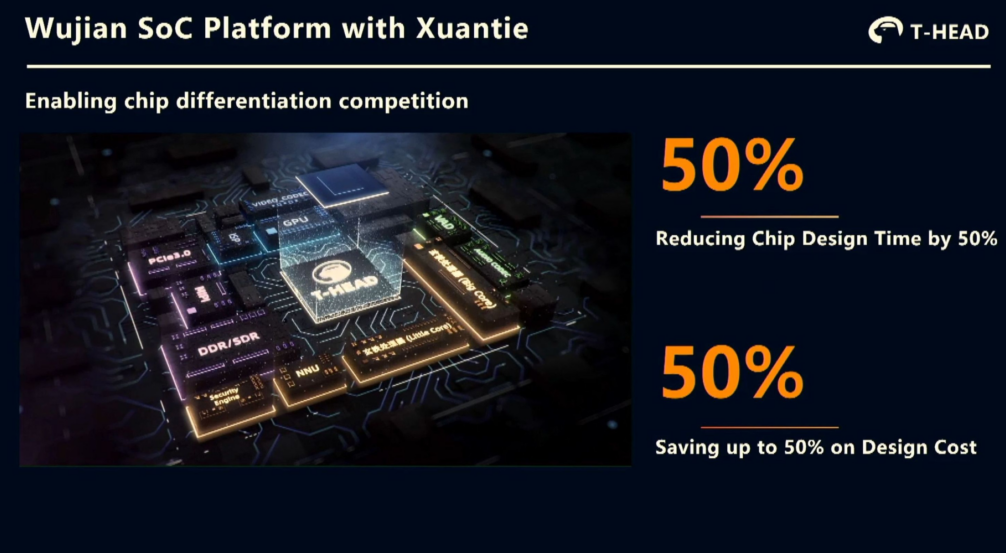

Alibaba Group Holding Limited’s BABA Damo Academy looks set to introduce the latest member of its XuanTie series of RISC-V processors, the C930, marking a bold step forward in the technological landscape.
This strategic move comes as Alibaba navigates stringent U.S. trade restrictions on exporting advanced chip technologies to China – a landscape reminiscent of a chess game where each player carefully strategizes their next move.
Reports suggest that AMD’s X86 chip dominance faces stiff competition from China’s embrace of RISC-V architecture, an energy-efficient alternative challenging the established players like AMD and Intel Corp INTC.
During the XuanTie Partner Conference, the academy showcased the vast potential of RISC-V processors across multiple sectors like a grand unveiling of new colors on an artist’s palette – illustrating its applications in 5G communications, robotics, and financial services, as detailed by SCMP.
Since the introduction of the C910 in 2019, the XuanTie series has seen notable advancements with subsequent models like the C920 – a testament to Damo Academy’s unwavering commitment to propelling the RISC-V architecture into a new era of innovation.
In a bold move towards diversification, Damo Academy introduced an open-source laptop named Ruyi Book, signaling Alibaba’s deep-rooted investment in the future of RISC-V technology akin to planting a sapling that promises to grow into a majestic tree.
With the XuanTie series already surpassing 4 billion unit shipments since the debut of the C910, Zhang Jianfeng, the president of Damo Academy, emphasized the soaring demand for computing power and the indispensable role that RISC-V plays in satiating this hunger for technological advancement.
RISC-V is emerging as a formidable contender against the traditional Intel X86 and Arm Holdings Plc ARM architectures, signaling a seismic shift towards more dynamic and inclusive chip technologies that democratize access to computing power.
Alibaba’s visionary approach to nurturing a RISC-V ecosystem in China through the formation of the “Wujian Alliance” aims to accelerate the commercialization of RISC-V innovations, beckoning both domestic and global players to partake in this technological revolution.
Tech giants in China, such as Alibaba Group Holding Limited BABA and Baidu, Inc BIDU, have already leaped aboard the RISC-V bandwagon to circumvent the U.S. tech sanctions – a bold move reminiscent of rebellious teenagers sneaking out of curfew.
Despite a near 10% dip in Alibaba stock value last year, investors can still tap into its potential through vehicles like ProShares Online Retail ETF ONLN and Global X E-Commerce ETF EBIZ, offering a bridge to the realm of Alibaba’s innovative pursuits.
Price Action: BABA shares demonstrated a minor uptick of 0.16% to reach $73.64 upon the last check on Tuesday, a testament to the subtle dance of the markets reacting to industry shifts and innovations.
Disclaimer: This content was brought to life with the assistance of AI tools and was diligently reviewed and published by Benzinga editors.
Photo via Company