Sky_Blue
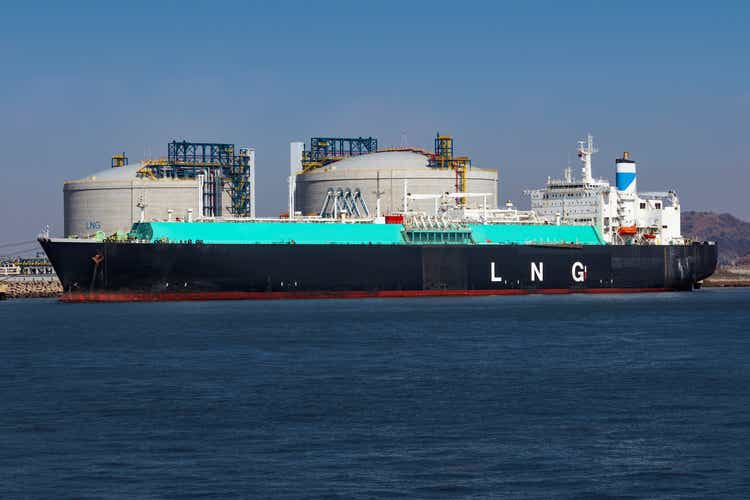
The American Petroleum Institute (API) is sounding the alarm against any potential slowdown or halt in the approval of U.S. liquefied natural gas (LNG) exports. This warning was issued at the annual gathering of the API in Washington, D.C.
API’s Warning and Concerns
On Wednesday, API President Mike Sommers emphasized the jeopardy that U.S. allies in Europe and Asia could face if the U.S. were to reduce LNG exports. This response comes in the wake of reports that the Biden administration is contemplating integrating climate change considerations into the approval process for LNG terminals or expansions.
Sommers expressed his apprehensions in an interview with Bloomberg, highlighting, “The continued signals from this administration and the policies they are pursuing – we have real concerns that is sowing the seeds for the next energy crisis.”
API’s Advocacy Stance
The API is actively advocating for a swifter approval process for energy projects, which includes expediting licenses for the widespread export of liquefied natural gas globally. Additionally, the institute is advocating for expanded opportunities to explore production on federal lands.
The group has also announced the launch of a new advocacy campaign shedding light on the pivotal role of American oil and natural gas in bolstering the economy.
Market Response to API’s Caution
Following API’s warning, energy stocks (NYSEARCA:XLE) bore the brunt of the caution, declining by 1% on Wednesday, and sliding in tandem with crude oil prices. This decline came after the Energy Information Administration reported an unexpected 1.3 million-barrel increase in U.S. crude stocks last week, alongside larger than anticipated rises in gasoline and distillates inventories.
All-time Nymex crude oil (CL1:COM) and Brent crude (CO1:COM) also witnessed a dip, settling at -1.2% and -1%, respectively. Concurrently, U.S. natural gas futures experienced their first decline in seven sessions, closing at -4.7% after reaching a two-month high.
Impacts and Outlook
The ramifications were evident in the ETF markets such as NYSEARCA:USO, BNO, UCO, SCO, USL, DBO, DRIP, GUSH, NRGU, USOI, UNG, BOIL, KOLD, UNL, and FCG.
Earlier in the trading day, oil futures surged by nearly 2% following recurrent attacks on merchant vessels in the Red Sea by Iran-backed Houthi rebels, though no injuries or damages were reported.