Nuclear Power Developments in the U.S.
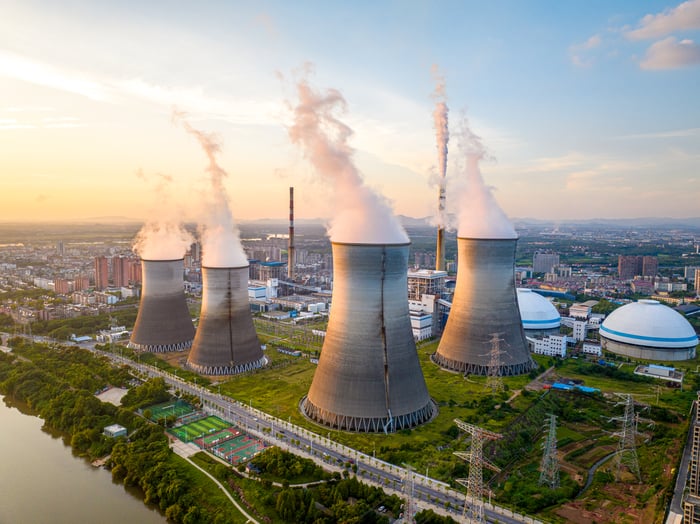
The U.S. Department of Energy (DOE) aims to add 2.5 gigawatts of nuclear capacity by 2027 and 5 gigawatts by 2029, focusing on upgrading existing reactors and restarting decommissioned plants. A notable project is the Palisades nuclear plant in Michigan, which is set to restart with a $1.52 billion DOE loan, potentially making it the first retired commercial nuclear plant to return to service. Additionally, Constellation Energy is working on reviving the 835-megawatt Crane Clean Energy Center in Pennsylvania, supported by a $1 billion federal loan.
Small modular reactors (SMRs) are also advancing, with construction underway for a GE Vernova Hitachi SMR at Canada’s Darlington site. The first unit is projected to be operational by the end of 2030 at an estimated cost of $5.5 billion, with all four units expected to total $15 billion. Other notable developments include Oklo’s Groves Test Reactor in Texas achieving a sustained nuclear chain reaction and TerraPower receiving a construction permit for its Natrium reactor in Wyoming.
To support these advancements, the DOE has allocated $2.7 billion to expand domestic uranium enrichment capabilities. The rising demand for reliable electricity, especially from AI and data centers, is further fueling the nuclear energy renaissance in the U.S.
5 Stocks Our Experts Predict Could Double In the Next Year
By submitting your email, you'll also get a free pivot & flow membership. A free daily market overview. You can unsubscribe at any time.