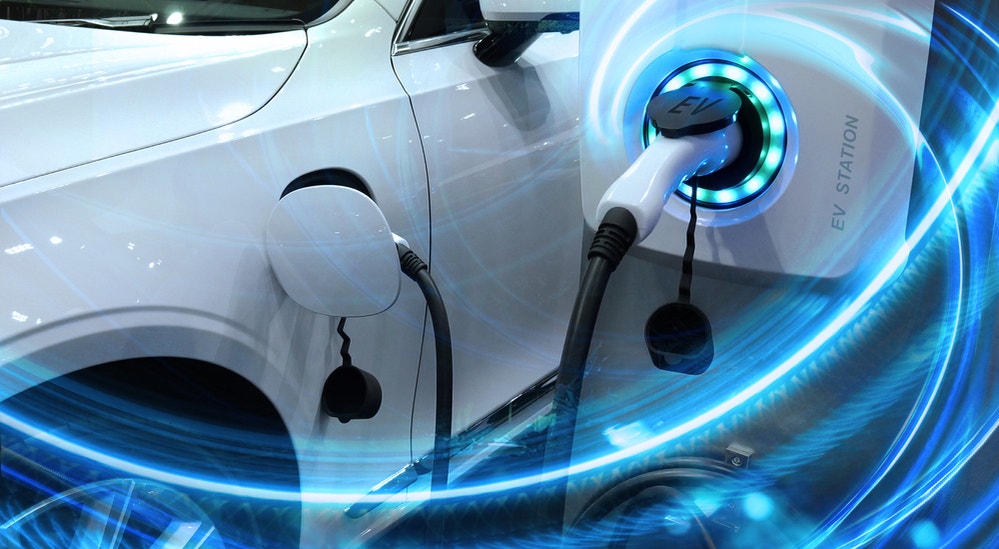

The Biden administration appears to be planning to dial back the proposed annual targets for electric vehicle (EV) sales and tailpipe emissions through 2030.
Adjusting the Targets: The Environmental Protection Agency’s (EPA) initial plan aimed at reducing tailpipe emissions and increasing EV sales by 56% in new vehicles by 2032. However, the new proposal, expected next month, is anticipated to slow down the pace of the proposed yearly emissions requirements through 2030. The current adjustment may lead to EVs accounting for less than 60% of total vehicles produced by 2030, as cited by sources.
UAW and Automakers Concerns: The United Auto Workers union and the Alliance for Automotive Innovation (AAI) have raised reservations about the original EPA proposal. The UAW has been advocating for a more gradual increase in stringency over a longer period of time, while the AAI labeled the initial proposal as “neither reasonable nor achievable.”
The AAI, a trade group representing major automakers such as Ford, General Motors, and Stellantis, met with the White House and EPA last week to discuss the new proposal.
The EPA is currently reviewing the proposal, aiming to finalize a rule that is “readily achievable, secures reductions in dangerous air and climate pollution, and ensures economic benefits,” a spokesperson told Reuters.
Photo Courtesy: buffaloboy on Shutterstock.com
Check out more of Benzinga’s Future Of Mobility coverage by following this link.
Read Next: Rivian R1 EVs To Offer Tesla’s New Model 3-Like Customization For Interior Mood: ‘We’re Working On It’
Engineered by
Benzinga Neuro, Edited by
Anan Ashraf
The GPT-4-based Benzinga Neuro content generation system exploits the
extensive Benzinga Ecosystem, including native data, APIs, and more to
create comprehensive and timely stories for you.
Learn more.