Investors pondering an investment in Microsoft Corporation (Symbol: MSFT) stock, but hesitant about the current market price of $405.28/share, may find it beneficial to explore the option of selling puts as an alternative strategy. One intriguing put contract is the December 2026 put at the $185 strike, currently offering a bid of $3.00. Garnering that bid as premium equates to a 1.6% return against the $185 commitment or a 0.6% annualized rate of return (referred to as the YieldBoost at Stock Options Channel).
Choosing to sell a put does not grant the investor the same access to MSFT’s potential upside as owning shares would. The put seller only ends up owning shares if the contract is exercised. Additionally, the counterparty on the other side of the contract would only benefit from exercising at the $185 strike if doing so resulted in a better outcome than selling at the current market price. Hence, unless Microsoft Corporation’s shares plummet by 54.4% and the contract is exercised, the only upside to the put seller is collecting the premium for the 0.6% annualized rate of return.
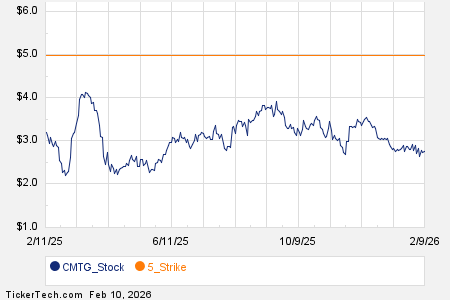
The chart below depicts the trailing twelve-month trading history for Microsoft Corporation, highlighting in green where the $185 strike is positioned in relation to that history:

The chart, combined with the stock’s historical volatility, can serve as a useful tool in conjunction with fundamental analysis to evaluate whether selling the December 2026 put at the $185 strike for the 0.6% annualized rate of return presents a favorable reward for the risks. The trailing twelve-month volatility for Microsoft Corporation stands at 23% (based on the last 251 trading day closing values and the current price of $405.28). For additional put options contract ideas at different available expirations, visit the MSFT Stock Options page on StockOptionsChannel.com.
In the mid-afternoon trading session on Thursday, put volume among S&P 500 components reached 2.37M contracts, matching the call volume at 2.37M, resulting in a put:call ratio of 0.74 for the day. This ratio surpasses the long-term median put:call ratio of 0.65. In essence, the number of put buyers observed in options trading today exceeds what would typically be expected given the long-term median and the number of call buyers.
Discover the 15 call and put options that traders are discussing today.
Also see:
• Top Stocks Held By Paul Singer
• FDC YTD Return
• CEN YTD Return
The views and opinions expressed herein are the views and opinions of the author and do not necessarily reflect those of Nasdaq, Inc.