The U.S. government is prioritizing AI infrastructure as a national security issue, leading to a shift in market regulation. Key sectors such as data centers, semiconductor manufacturing, and critical mineral supply chains are being fast-tracked under federal authority, moving away from a decentralized regulatory approach towards a more centralized “Technological Republic.” This change suggests a significant regime shift in how markets operate, particularly concerning investments.
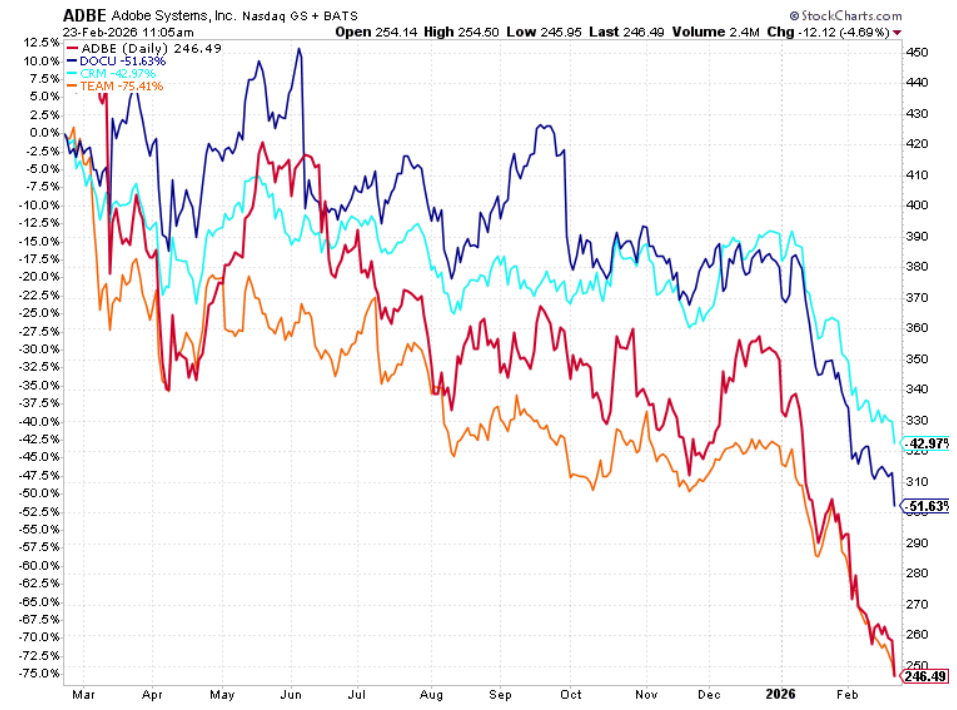
Investment strategies are also evolving in response. Companies reliant on traditional Software-as-a-Service (SaaS) models, such as Adobe and Salesforce, are facing structural pressures, as integration of AI threatens their business frameworks. Similarly, logistics firms like UPS and FedEx are struggling due to the increased focus on AI-driven local production and automation, raising concerns about their long-term viability. In contrast, natural gas and uranium sectors are seen as the backbone of AI infrastructure, with investments driven by the government’s focus on reliable, scalable energy sources.
Furthermore, the CHIPS and Science Act has committed over $50 billion to reshoring semiconductor manufacturing, marking a significant adjustment in U.S. policy aimed at strengthening domestic production capabilities. This shift in federal focus highlights the importance of aligning investment portfolios with the emerging “One Rule” economy, which prioritizes assets that support AI infrastructure over traditional, labor-intensive business models.