
The Rise of Data Privacy Regulations
In an era dominated by digitalization, privacy laws have emerged as a central battleground. Governments and citizens are grappling with the intricate nuances of data protection in a hyper-connected world. Regulations such as the General Data Protection Regulation (GDPR) in Europe and the California Consumer Privacy Act (CCPA) in the United States are prime examples of legislative efforts to safeguard personal data and impose controls on businesses handling such information.
The Impact of GDPR and CCPA
Since its inception in 2018, GDPR has set stringent standards for companies processing the personal data of European Union citizens, regardless of the company’s geographical location. It mandates regulations for data collection, processing, and storage, while granting individuals rights to access, rectify, or delete their data. The GDPR enforces substantial fines for non-compliance, underscoring the critical need for businesses to uphold data privacy standards.
Similarly, the CCPA, enacted in 2020, places a spotlight on preserving the privacy rights of Californian residents. The legislation empowers consumers to control their personal information by permitting access to data, opting out of data sales, and requesting data deletion. Companies operating in California must adhere to the CCPA’s provisions to avoid facing significant financial penalties.
Embracing Futuristic Regulations
Governments are constantly exploring novel legislation to regulate the digital landscape. Whether you are a corporate professional, business owner, or concerned citizen, staying informed about evolving data privacy laws is crucial for effective civic engagement and business management.
Expert Insights from FiscalNote
Enter FiscalNote NOTE. FiscalNote stands out as a premier information services company specializing in global policy and market intelligence. Through a blend of AI-driven technology and peer insights, FiscalNote equips lawmakers, corporations, and various organizations with a suite of products to navigate the digital realm effectively. Notably, the company prides itself on delivering an impartial narrative, steering clear of vendor-sourced information.
Leveraging data and AI capabilities, FiscalNote taps into billions of datasets to extract value and insights. Users can streamline policy automation and monitor issues across federal, state, and local levels, facilitating informed decision-making. With 25 of the top Fortune 50 companies and all U.S. federal agencies relying on FiscalNote’s AI-powered policy monitoring solutions, the company’s impact is undeniable. Businesses leveraging FiscalNote save an average of over three hours per week—time that would have otherwise been consumed by policy and stakeholder research. FiscalNote’s EU presence, with expert teams in Brussels, further solidifies its standing in the market.
Adapting to the Data Privacy Landscape
The evolution of data privacy regulations exemplified by GDPR and CCPA underscores the escalating concern for individual rights in the digital age. As businesses grapple with these regulations, the mandate to continually refine policies, processes, and technologies remains paramount. This ongoing adaptation is pivotal for ensuring compliance, prioritizing data security, and fostering trust with consumers. FiscalNote emerges as a key ally for businesses seeking to stay abreast of the latest developments, navigate regulatory landscapes, and anticipate forthcoming laws that may impact their operations.
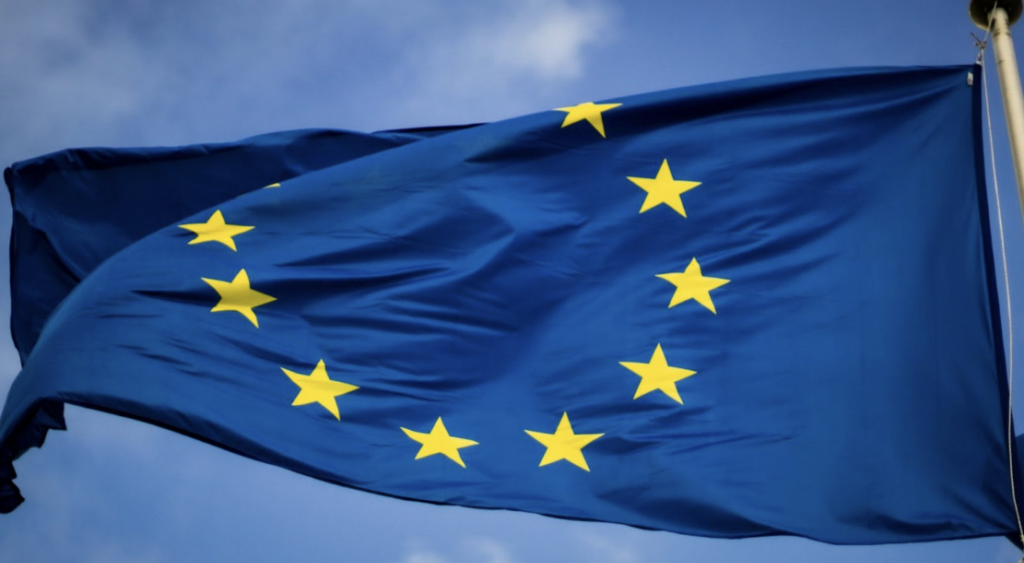
Image courtesy of Christian Lue on Unsplash.
This post includes sponsored content. It is intended for informational purposes only and does not constitute investment advice.