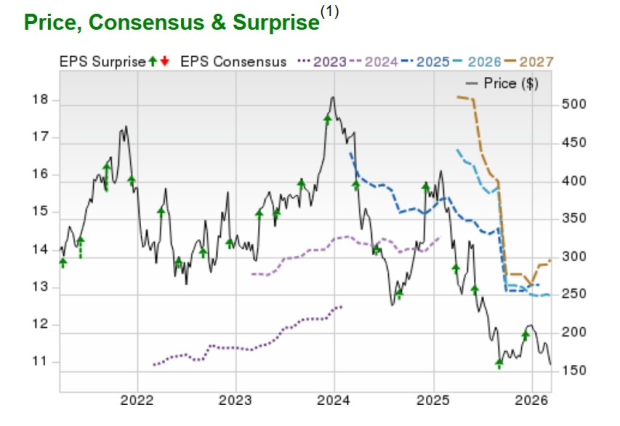
Tesla (NASDAQ: TSLA) generated 73% of its total revenue from vehicle sales in 2025, making it susceptible to economic cycles. While the automotive industry typically suffers during recessions due to reduced consumer spending on big-ticket items, Tesla’s unique advantages may help it navigate economic downturns more effectively than traditional automakers.
As of the most recent quarter, Tesla held $44 billion in cash and cash equivalents, enabling it to invest in new technologies and production capacity even during tough times. Its vertically integrated model controls costs better than many competitors, allowing for quicker pricing adjustments. Furthermore, Tesla’s brand recognition and loyal customer base position it favorably in a competitive market.
Despite these strengths, Tesla’s reliance on vehicle sales ties its financial performance closely to economic conditions. Its stock, trading at a high price-to-earnings (P/E) ratio of 475, may still face volatility during economic uncertainties, regardless of the company’s underlying business resilience.