Bonds Struggle as U.S. Debt Soars Amid Deficit Projections
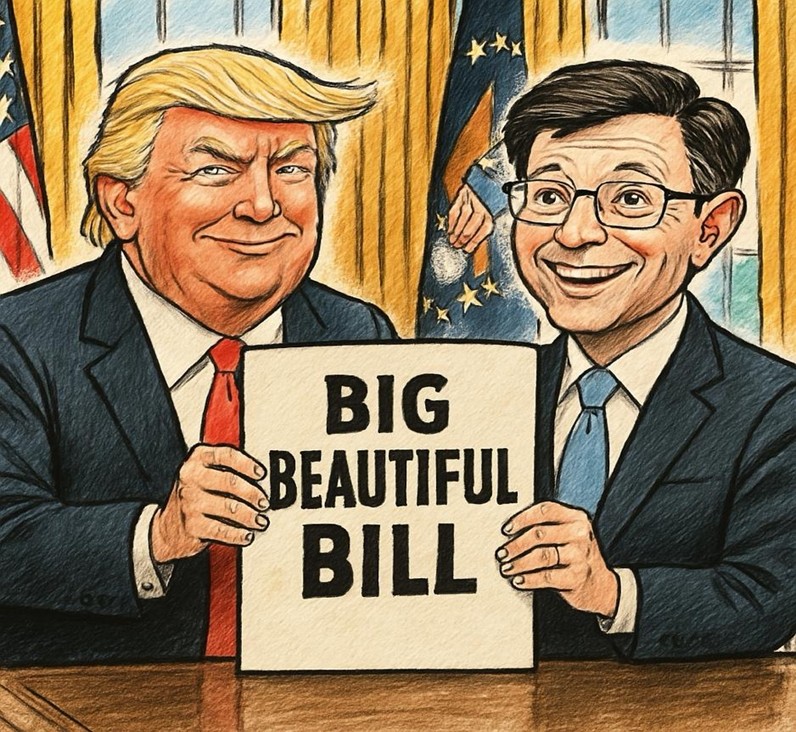
Bond investors are increasingly reluctant to lend money to the U.S., which now faces a staggering $36 trillion debt. The proposed “One Big Beautiful Bill Act” (OBBBA) is expected to add an additional $3.8 trillion to this debt over the next decade, according to the Congressional Budget Office (CBO).
The U.S. now confronts a $40 trillion financial shortfall, which is growing by approximately $2 trillion annually. Recently, Treasury bond yields surged as buyer interest fell. A weak auction of $16 billion in 20-year bonds last Wednesday highlighted this decline in demand, fueling concerns over U.S. fiscal responsibility.
Market sentiment suggests the U.S. is entering a “doom loop,” where rising interest rates lead to increased debt costs. As bond investors seek compensation for the growing credit risk, rates are climbing further. This cycle raises financing costs, worsening the debt situation and prompting investors to demand even higher yields.
This predicament has led some to conclude that it might be prudent to avoid bonds altogether. However, there are nuances in the financial landscape that merit deeper analysis.
According to billionaire investor Howard Marks, the common perspective overlooks complexities in the market. While the “bond doom loop” concept seems valid, a more nuanced view is necessary.
Under former Treasury Secretary Janet Yellen, a so-called “Quiet QE” strategy began, which focused on issuing short-term debt instead of long-dated Treasuries. This approach reduced the supply of long-term bonds, helping to lower yields. By 2024, 75% of the deficit was funded through short-term debt.
Economist Nouriel Roubini later identified this “activist Treasury issuance” as a tactic to suppress long-term rates, suggesting that the yield on 10-year Treasuries could be 30 to 50 basis points higher without it. This could mean borrowing costs for businesses and mortgage rates would also be significantly elevated.
Current Treasury Secretary Scott Bessent has subtly continued this strategy, financing 80% of needs through short-term issuance. A continuation of weak bond auctions could lead to a stronger reliance on lower-cost short-term borrowing.
Short-term rates are largely influenced by the Federal Reserve rather than the broader bond market. As Jay Powell’s term nears its end, a likely successor could collaborate with the administration to lower rates, reducing short-term Treasury yields and overall debt service costs.
This approach is already affecting total interest on public debt, which is declining year-over-year despite the rising deficit. Notably, as Powell only initiated Fed rate cuts last September, this trend will be evident in upcoming data.
Though this strategy does not resolve the U.S. debt crisis, it highlights the creative options available to policymakers. Long-term yields could stabilize as the focus shifts to short-term debt issuance. Bessent aims to prevent soaring long-term rates that would increase debt costs.
From this perspective, DoubleLine bond funds become appealing investments. With long rates potentially near their peak, these funds could benefit from a supportive yield environment. Notably, the DoubleLine Yield Opportunities Fund (DLY) yields 9.1% and trades at a 2% discount to its net asset value, while the DoubleLine Income Solutions Fund (DSL) offers an 11% yield.
Both funds benefit from an improving economy, as recent GDP data is optimistic. The administration is keen to avoid negative growth ahead of the midterm elections.
It is important not to lose sight of coordinated Treasury and Fed policies amidst widespread pessimism about bonds. Strategic moves can create investment opportunities, allowing those who seek out solid dividends to benefit.
For income investors, there are additional monthly dividend payers yielding over 8% that remain undervalued. In-depth analysis reveals potential investments that are often overlooked by others.
See also:
- Warren Buffett Dividend Stocks
- Dividend Growth Stocks: 25 Aristocrats
- Future Dividend Aristocrats: Close Contenders
The views and opinions expressed herein are the views and opinions of the author and do not necessarily reflect those of Nasdaq, Inc.
5 Stocks Our Experts Predict Could Double In the Next Year
By submitting your email, you'll also get a free pivot & flow membership. A free daily market overview. You can unsubscribe at any time.