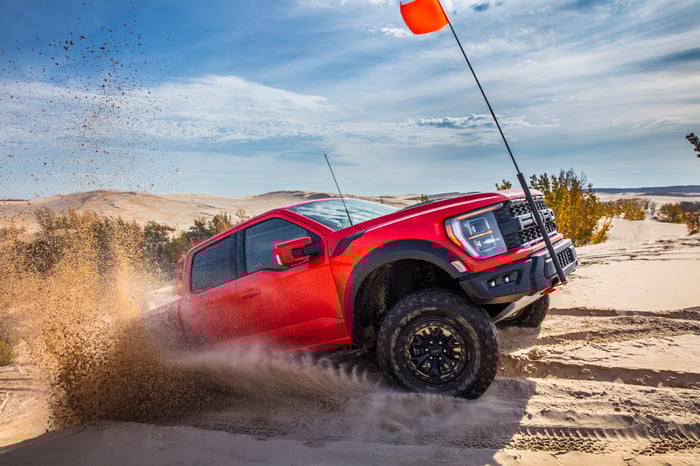
Ford Motor Company has eliminated traditional sedans from its U.S. lineup, with only the Mustang remaining by 2026. This shift aligns with market trends favoring SUVs and trucks, which offer higher average transaction prices—two to three times more than sedans—and better profit margins. However, this decision poses a challenge as sales of sedans are reportedly rising, with notable increases in models like the Toyota Camry (up 11%), Honda Accord (up 22%), and Kia K5 (up 19%) during Q1.
General Motors (GM) appears to be countering Ford’s strategy by planning to reintroduce a Buick sedan to the U.S. market, the first since 2020. This raises questions for both automakers, as they must balance the lucrative SUV and truck market with the potential lost sales from sedans, which are gaining market share amidst rising new-car prices. As vehicles increasingly incorporate software and driverless technology, the profitability of sedans could improve, but this shift may also reduce their affordability and demand.