
Frontiers, a reputable scientific journal, recently came under scrutiny for publishing a paper featuring AI-generated images that are both anatomically and scientifically inaccurate.
AI Creates Chaos: The paper, authored by Xinyu Guo and team, utilized the AI tool Midjourney to produce the images. These images subsequently cleared the journal’s editorial and peer review process for publication.
The paper, which appeared in Frontiers in Cell and Developmental Biology, included illustrations such as a rat with four overly large testicles and a conspicuously oversized penis. Moreover, it featured labels like “testtomcels,” “senctolic,” and “diƨlocttal stem cells.”
Dubious Depictions: One of the figures in question seemed to portray a scientific diagram of a signaling pathway. However, upon closer inspection, it was found to be replete with nonsensical words and numbers.
This incident serves as a stark reminder of how scientific journals, editors, and peer reviewers can inadvertently endorse AI-generated content that lacks scientific accuracy.
Implications Unveiled: This is not the first instance of AI-generated content raising concerns. In January, Microsoft Corp. CEO Satya Nadella expressed apprehensions over AI-generated explicit images of pop star Taylor Swift.
Additionally, AI-generated deepfakes posed a threat to the integrity of the U.S. election cycle in the same month, with fabricated explicit images of public figures being widely circulated on social media. Prior to these, a small town in Spain was outraged in September due to the circulation of AI-created deepfake images targeting minor girls on the internet.
The recent incident involving the scientific journal Frontiers sheds light on the potential risks and misuse associated with AI-generated content.
Forge onward through Benzinga’s Consumer Tech coverage by following this link.
Discover more: Mark Zuckerberg Reveals Meta Is Working On An AI-Powered Wrist Band: ‘One Of The Wilder Things We’re Working On’
Disclosure: This content was partially produced with the assistance of Benzinga Neuro and was reviewed and published by Benzinga editors.
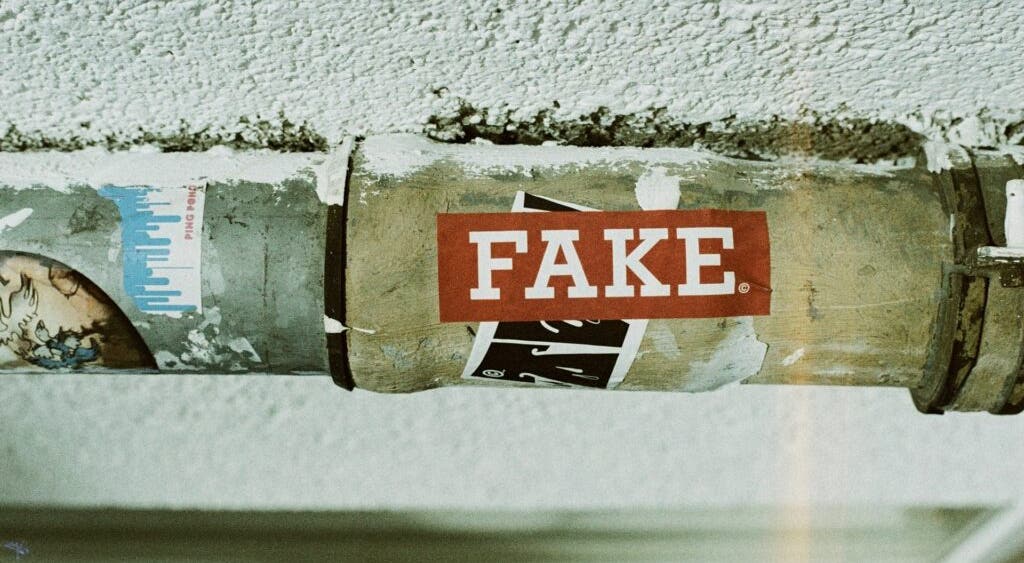
Photo by Markus Spiske on Unsplash