A Closer Look at Options Trading
Today marks the inception of new options trading for investors in Cheniere Energy Inc. (Symbol: LNG) set to expire on May 24th. Stock Options Channel, leveraging its YieldBoost formula, has identified a put and a call contract that stand out among the newly introduced May 24th contracts.
Exploring Put Options
At a strike price of $155.00, the put contract boasts a $3.20 current bid. For those considering selling-to-open this put contract, it equates to a commitment to buy the stock at $155.00 while pocketing the premium. This can potentially lower the cost basis to $151.80 per share, a welcome alternative to the current price of $159.13/share.
Unveiling the Stats Behind the Put Contract
The $155.00 strike offers a 3% discount compared to the stock’s trading price, positioning it as an out-of-the-money option with a 65% chance of expiring worthless. This translates to a promising 2.06% return on the cash commitment, or 15.07% annualized — a phenomenon Stock Options Channel dubs as the YieldBoost.
Visualizing Historical Trading Data
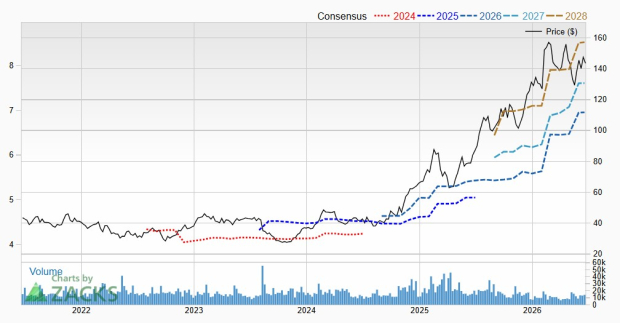
Charting the trailing twelve-month trading history of Cheniere Energy Inc., the $155.00 strike emerges visibly in the green, enriching investor insight into this freshly minted option’s position in historical context.
Delving into Call Options
Across to the calls side, the $160.00 strike call contract stands at a $5.70 bid. By selling-to-open this call contract post-investing in LNG shares at the prevailing rate of $159.13/share, investors commit to selling at $160.00. This can yield a return of 4.13% should the stock get called away at the May 24th expiration.
Assessing the Efficacy of the Call Contract
The $160.00 strike, with its 1% premium to the current price, leans into out-of-the-money territory with a 47% chance of expiring worthless. This could still benefit investors, offering a 3.58% additional return or 26.15% annualized, aptly termed as YieldBoost by Stock Options Channel.
Analyzing Volatility
The put contract example indicates an implied volatility of 27%, while the call contract example stands at 24%. In contrast, actual trailing twelve-month volatility calculates at 21%, adding depth to investors’ risk evaluation. For a broader spectrum of put and call options concepts, delve into StockOptionsChannel.com.
 Top YieldBoost Calls of the S&P 500 »
Also see:
Earnings Calendar
Institutional Holders of SWEB
ETFs Holding OKS
The views and opinions expressed herein are the views and opinions of the author and do not necessarily reflect those of Nasdaq, Inc.
5 Stocks Our Experts Predict Could Double In the Next Year
By submitting your email, you'll also get a free pivot & flow membership. A free daily market overview. You can unsubscribe at any time.