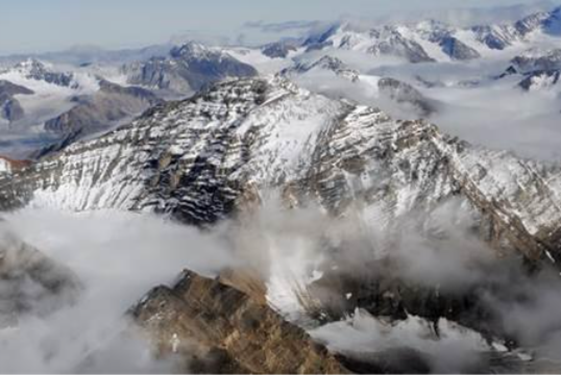
The Northeast Greenland National Park, the world’s largest national park covering 375,000 square miles, attracts just 500 visitors annually due to its extreme conditions and lack of infrastructure. This remote area includes significant mineral deposits, such as the Citronen Fjord zinc project, which is only accessible by sea for about 12 weeks per year, indicating high operational costs—estimated at $0.76 per pound of zinc, significantly higher than mining operations in Alaska.
Recent geopolitical tensions, including U.S. President Biden’s statements on Greenland’s resources and a broader NATO framework, are contributing to declining global confidence in the U.S. dollar, which has already depreciated by 10% last year. The dollar’s share of global central bank reserves has also dropped to 40%, down from 60% a decade ago, sparking fears of ongoing declines in attractiveness for foreign investors.
As the U.S. economy shows signs of slowing and potential job losses mount due to automation, further depreciation of the dollar may compel the Federal Reserve to cut interest rates more aggressively. Investors are advised to diversify their portfolios with dollar-independent assets, as historical trends show that depreciation typically benefits non-dollar assets such as commodities and international stocks.