Maximize Your Income with SM Energy’s Covered Call Strategy
Enhancing Returns: Exploring SM Energy’s Options
Shareholders of SM Energy Co. (Symbol: SM) have a chance to increase their earnings beyond the stock’s 1.9% annual dividend yield. By selling an August covered call at the $45 strike price, investors can receive a premium valued at $4.10. This premium translates to an impressive annualized return of 17.1%, making the total potential return reach 19% annually, assuming the stock does not get called away.
Should SM Energy’s stock price rise above $45, shareholders would lose any upside gains beyond that amount. However, reaching that price would require a 5.9% increase from current levels. In that case, a shareholder could still achieve a return of 15.6%, boosted by dividends collected before the stock is called.
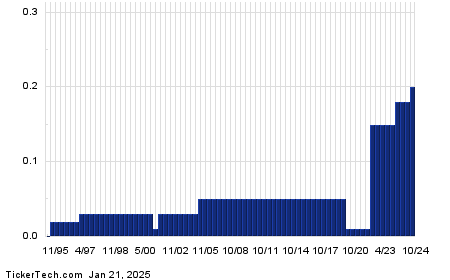
It’s essential to remember that dividend payments can vary and typically rely on a company’s profitability. Analyzing SM Energy’s dividend history chart can provide insights into the likelihood of sustained dividends, helping investors assess whether the 1.9% yield is a reasonable expectation.

Below is a chart showing SM Energy’s trailing twelve-month trading history, with the $45 strike noted in red:

The aforementioned chart, alongside the stock’s historical volatility, serves as a valuable tool for evaluating whether the covered call strategy at the $45 strike is worthwhile. Typically, most options expire without value. Understanding the risks is essential in determining if selling the call provides adequate rewards. SM Energy’s trailing twelve-month volatility, calculated from the last 250 trading days alongside the current price of $42.77, stands at 38%. Investors can explore additional call options across different expiration dates on the SM Stock Options page at StockOptionsChannel.com.
In mid-afternoon trading on Tuesday, S&P 500 put volume was recorded at 1.31 million contracts, while call volume reached 2.59 million, yielding a put:call ratio of 0.51 for the day. This figure illustrates significantly higher call trading in comparison to puts, contrasting with the long-term median put:call ratio of 0.65. Essentially, buyers are currently favoring call options in the trading environment.
 Explore Top YieldBoost Calls of the S&P 500 »
Explore More:
- Top Dividend Stocks
- Top Ten Hedge Funds Holding ROAN
- NSYS Videos
The views and opinions expressed herein are those of the author and do not necessarily reflect those of Nasdaq, Inc.