Strategic Options for Required Minimum Distributions (RMDs) in Retirement
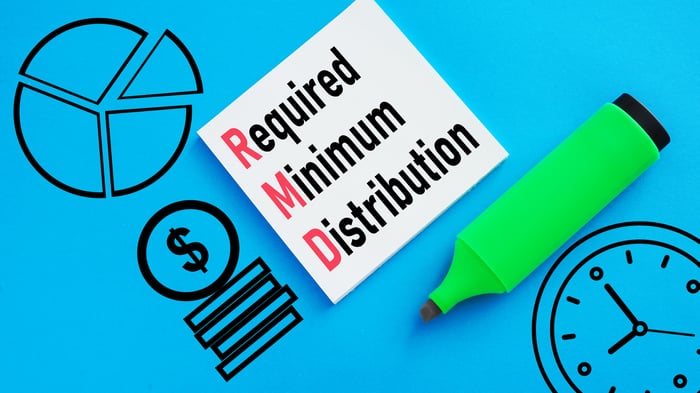
If you’re retired or approaching retirement, you’re likely familiar with required minimum distributions (RMDs). These mandatory withdrawals, first enacted in 1974 alongside individual retirement accounts (IRAs), were designed to ensure the government collects taxes on contributions that had been tax-deferred for years.
Individuals with tax-deferred retirement accounts must start taking RMDs at age 73 or 75, based on their birth year, and they must also pay taxes in the year they make these withdrawals. Significantly, you must continue taking RMDs until your account is fully depleted. Not adhering to this requirement can result in a steep 25% penalty.
What if You Don’t Need the Money?
If you find yourself in the fortunate position of not needing the money during an RMD period, consider some strategic options for using your funds. Here are five practical strategies to consider:
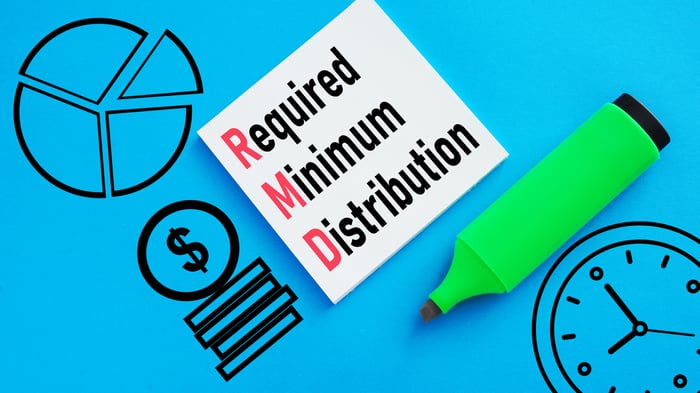
Image source: Getty Images.
1. Set Aside for Emergencies
Even if daily expenses aren’t an issue, emergencies are unpredictable. From home repairs to unforeseen medical costs, having cash on hand can ease the stress of unexpected financial burdens.
2. Reinvest the Funds
RMDs don’t limit your ability to reinvest. If you don’t need the money right away, consider placing it into a taxable brokerage account, a high-yield savings account, or an annuity to sustain potential growth.
3. Allocate for Healthcare Costs
Regardless of your health, medical expenses will arise. Consider earmarking these funds for Medicare premiums, prescription costs, or health-related purchases that contribute to your overall well-being.
4. Reduce Existing Debt
If you have debt liabilities, using your RMD funds to pay them down can be beneficial. For instance, settling a $5,000 credit card balance with a 20% APR effectively translates to a 20% return on that amount by eliminating the interest burden.
5. Recast Your Mortgage
For those still managing a mortgage, RMD funds can be utilized to recast the loan, which reduces monthly payments while keeping your current interest rate intact. The typical process involves:
- Making a lump-sum payment towards the principal, usually starting at $10,000.
- Paying a modest fee, often between $250 and $500.
- The lender recalculates your payment reflecting the lower balance without changing your interest rate.
Note that recasting typically applies to conventional loans. Government loans like FHA, USDA, and VA, as well as some jumbo loans, may not be eligible. Always confirm with your lender whether recasting is an option for you.
If you must take an RMD without current need for the money, it’s wise to consider future scenarios. Utilizing these funds thoughtfully can prepare you for unanticipated expenses down the road.
The $22,924 Social Security Bonus Most Retirees Overlook
Many Americans lag in their retirement savings, but lesser-known “Social Security secrets” may help bolster retirement income.
One straightforward tactic could yield an additional $22,924 annually!
By learning how to optimize your Social Security benefits, you can approach retirement with greater confidence and financial security. Join Stock Advisor to explore these strategies further.
View the “Social Security secrets” »
The Motley Fool has a disclosure policy.
The views and opinions expressed herein are the views and opinions of the author and do not necessarily reflect those of Nasdaq, Inc.