Market Dynamics in Q4
As we wrap up the final quarter of 2023, it is time for some introspection about the performance of my dividend growth portfolio. While the previous quarter saw my portfolio outperforming the market, Q4 witnessed a slight underperformance, trailing the S&P 500 by 1% amidst a remarkable 10% market upturn. Nonetheless, the lower beta of my portfolio suggests that this mild underperformance is reasonable during a bullish market.
Despite the Federal Reserve’s indication of a possible pivot towards rate reduction, several influencing factors disrupted market dynamics. Elevated interest rates led to increased scrutiny of companies with high debt levels, particularly impacting blue-chip stocks. Additionally, concerns regarding consumer spending emerged due to the resurgence of student loan repayments, amplified borrowing costs, and soaring housing prices, especially for first-time buyers.
Despite these challenges, my dividend growth portfolio continued to thrive, boasting a substantial 21% surge in dividend income. This growth underscores the strategic significance of prioritizing dividend-generating stocks, particularly during volatile market conditions.
Looking ahead, the strategy for my portfolio remains unchanged. I will persist in monthly fund allocation, targeting undervalued or moderately priced stocks. With a focus on high-quality blue-chip stocks offering solid and secure dividends, I aim to leverage market fluctuations, viewing any downturns as opportunities to bolster future income streams at reduced costs.
Entering the new year, my commitment remains unwavering: nurturing a sustainable dividend stream. This approach aligns with my financial freedom aspiration and provides a buffer against market unpredictability. The insights gained from Q4 will refine my investment decisions, ensuring the resilience and adaptability of my portfolio in the ever-evolving financial landscape.
Optimizing Investment Allocation
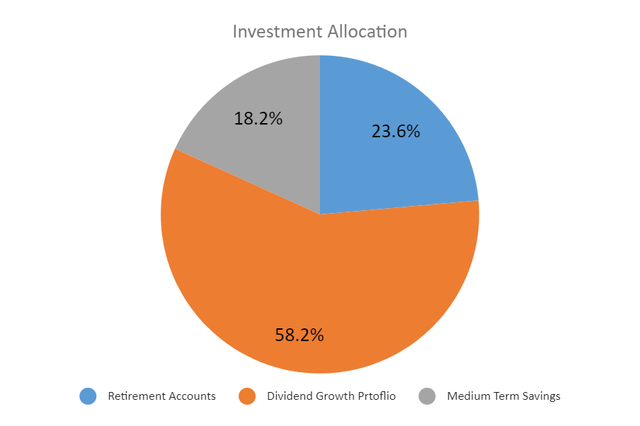
My dividend growth portfolio currently constitutes more than 83% of my assets. In an effort to hedge against potential strategy setbacks, I have allocated additional funds to my other accounts. Overconfidence in the financial realm can yield devastating results, underscoring the necessity to diversify my assets and balance my portfolio.
My ongoing goal entails reducing my dividend growth portfolio to below 50% of my assets while concurrently augmenting its value and achieving a 10% dividend growth. I strongly advocate for diversification and foresee the acquisition of a house, whether for investment or residence, abating the percentage of the dividend growth portfolio in my assets.
My dividend growth portfolio boasts extensive diversification, housing a collection of 84 blue-chip companies. While proud of my accomplishments as an investor, I recognize the prudence in cautiously diversifying my investments. Maxing out my Roth IRA in 2024 and securing medium-term accounts for potential house down payments have effectively expanded the breadth of my holdings.
Pursuing Personal Goals
Setting personal goals has been a transformative practice for me. Bolstered by a track record of goal achievement, my 2024 objectives encompass attaining a minimum of 10% dividend growth, diversifying my investments, maximizing my Roth IRA contribution, reading at least twelve books, and embarking on at least two international trips. Monitoring my progress is crucial in ensuring goal attainment, enabling me to recalibrate as required.
By embracing goal setting, one can optimize time management and witness tangible progress throughout the year. I earnestly encourage individuals to articulate challenging yet attainable goals that are quantifiable. With a steadfast outlook, I am confident in my ability to realize all 2024 objectives.
Strategic Sector Allocation
With my brokerage account serving as my primary asset, funds are allocated therein according to my optimal sector allocation. As I continue to amass assets, I remain receptive to purchasing stocks from sectors where I am over-allocated, remaining mindful of my optimal allocation.
While I am unlikely to reinforce sectors that surpass the optimal allocation, such as the energy sector, unless exceptional opportunities arise, I am inclined to bolster industries where I lack exposure in the forthcoming quarters. Articles I author regarding appealing companies inform my investment decisions, guiding acquisitions.
For Q1, I am poised to augment my dividend growth portfolio with additional companies from the consumer staples and discretionary sectors.
| Sector | Current | Goal |
| Consumer Staples | 13.9% | 17.0% |
| Health Care | 11.7% | 12.5% |
| Industrials | 12.0% | 12.5% |
| Financials | 14.9% | 12.5% |
| Information Technology | 14.4% | 12.5% |
| Consumer Discretionary | 7.9% | 10.0% |
| Real Estate | 7.3% | 8.0% |
| Energy and Materials | 8.5% | 8.0% |
| Communication Services | 6.9% | 4.0% |
| Utilities | 2.4% | 3.0% |
Reviewing Portfolio Holdings
The following table displays the current holdings in my brokerage account. Every company listed is an integral part of my dividend growth portfolio:
Alphabet (GOOG) (GOOGL), Amazon (AMZN), and Meta Platforms (META) do not pay dividends.
The Future of Dividend Payments and Cash Flow for Top Companies
Investors rejoiced as some of the top companies, including Alphabet, Amazon, and Facebook, announced the initiation of buyback programs, fueling optimism for potential future dividends. These strategies, rooted in the continuous growth of free cash flow, offer a promising outlook for long-term investors.
Mapping Out the Investment Landscape
A glance at the diversified portfolio gives insight into the sectors that dominate the investment landscape. With Apple Inc, AbbVie Inc, and Arbor Realty Trust Inc leading the pack, followed closely by Abbott Laboratories, Archer-Daniels-Midland Co, and Aflac Inc, the portfolio reflects a well-rounded approach to investment across industries, from information technology and healthcare to real estate and consumer staples.
The Power Players in Cash Flow
Capitalizing on the steady growth in free cash flow, several industry giants have embraced the paradigm shift towards buyback programs, a positive indicator for potential dividend distributions in the near future. A prime example is Amazon.com Inc’s strategic foray into buyback programs, demonstrating the company’s commitment to delivering value to its investors.
A Closer Look at Dividend Potential
Though currently absent from their agendas, Alphabet, Amazon, and Facebook’s deliberate strides towards establishing buyback programs lay the foundation for a robust dividend strategy. As free cash flow continues to surge, the potential for future dividends from these industry powerhouses becomes an increasingly tantalizing prospect for long-term investors.
Reaping the Fruits of Disciplined Investment: A Review of Q4 2023
Across Q4 2023, the investment landscape witnessed significant movements, and as my portfolio shows, it’s been a riveting ride. Let’s delve into the acquisitions and sales made during this period and outline the outlook for the upcoming quarter.
Acquisitions Made in Q4 2023
In this quarter, I added Mid-America Apartment Communities (MAA) to my portfolio. The decision was underlined by the company’s stable performance, attractive valuation, and a robust dividend exceeding 4%.
Furthermore, I acquired shares in Avista Corporation (AVA), a utility company lauded for its stable earnings and reliable dividend history. Amidst market volatility, Avista and similar utility stocks offer a balance of stability and consistent income.
Sales Made in Q4 2023
During this quarter, I divested my holdings in W.P. Carey (WPC) following the company’s dividend cut, adhering to my investment principles. Such strategic decisions are pivotal, guiding my exit from companies signaling operational challenges or financial instability.
Additionally, the dividend cut from Kellanova Corporation (K) prompted me to sell my shares, echoing the rationale applied to W.P. Carey.
What Am I Looking for?
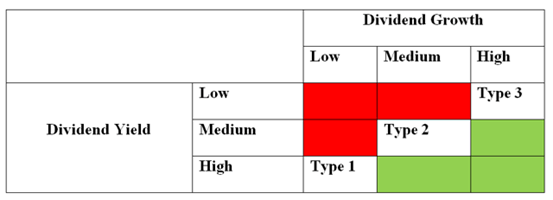
As I reflect on my portfolio, it’s evident that diversification plays a crucial role. I constantly assess the potential impact of dividend cuts on my income, scrutinizing each company’s trajectory. For the upcoming quarter, my focus will be the consumer discretionary and staples sectors, aligning with my stock analysis and pursuit of Type 2 stocks for optimal growth and income.
Conclusion
Concluding Q4 2023, I remain unwavering in my commitment to long-term financial objectives. Despite the market’s undulating nature, I continue to strengthen my dividend income by adhering to my disciplined investment strategy. The macroeconomic landscape may offer its fair share of turbulence, but the bedrock of sound fundamentals remains the lodestar for my investment decisions. As we usher in a new quarter, I look forward to charting a successful and prosperous 2024.
Editor’s Note: This article discusses one or more securities that do not trade on a major U.S. exchange. Please be aware of the risks associated with these stocks.