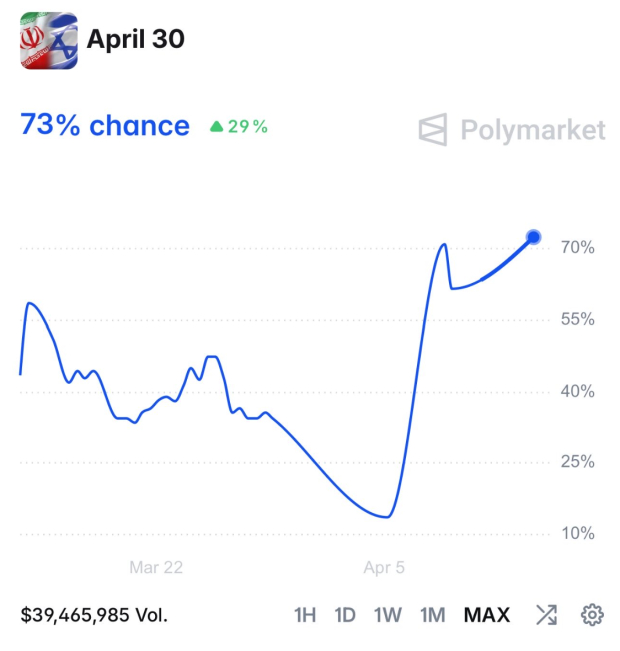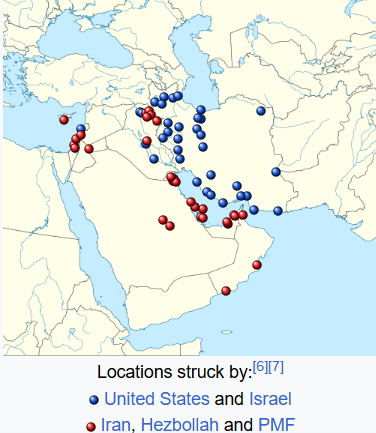
Negotiations between the U.S. and Iran reportedly broke down, leading to military strikes by the U.S. and Israel targeting Iran’s leadership and military infrastructure over the weekend, with Iran retaliating with missile and drone strikes across the region. The U.S. has since closed embassies in Kuwait and Saudi Arabia and urged Americans to leave parts of the Middle East. Oil prices reacted sharply, with West Texas Intermediate crude surpassing $75 per barrel and Brent crude exceeding $85 per barrel.
As of early Tuesday, the SPDR S&P 500 ETF (SPY) has declined about 1.7%, while the SPDR MSCI ACWI ex-U.S. ETF (CWI) dropped roughly 6.8%, revealing a significant performance gap of over five percentage points in just two trading sessions. This volatility follows crude prices achieving 52-week highs, demonstrating the geopolitical impact on global markets, particularly for economies heavily reliant on Middle Eastern oil.
Despite heightened tensions, the U.S. economy remains relatively insulated, capitalizing on its status as a leading energy producer. Analysts suggest that higher crude prices may lead to increased profits for U.S. energy companies rather than economic distress, reinforcing the notion that the U.S. remains a safe haven during global uncertainties.