Tariffs Impact Automakers: Insights on American-Made Vehicles
Recent discussions surrounding American-made vehicles have gained a new level of seriousness. Given the ongoing debates over tariffs, reciprocal tariffs, and retaliatory tariffs, the automotive industry is navigating complex waters. This spring has seen a blend of temporary tariff relief for autos and a 90-day truce with China aimed at further negotiations.
It’s crucial to explore the potential financial impact of tariffs on automakers and to identify which vehicles rank highest in American-made content based on criteria such as parts sourcing, labor, and assembly locations.
Understanding the Current Tariff Landscape
While the situation can seem complex, the core facts are straightforward: there is a 25% tariff on imported vehicles and an additional 25% on imported automotive parts. The Trump administration has provided some auto parts tariff relief by offering credits for domestic production.
These tariffs are projected to significantly affect automakers’ profitability. General Motors estimates that the tariffs will lessen its annual profit by $4 billion to $5 billion. Meanwhile, Ford Motor Company expects a $1.5 billion drop. Toyota forecasts a $1.2 billion profit decline over just two months, whereas Honda anticipates its operating profit could fall nearly 60% this fiscal year as a result.
The significance of Cars.com’s 2024 American-Made Index becomes clear in this context, ranking vehicles according to assembly location, parts content, engine and transmission origin, and the U.S. workforce involved in production.

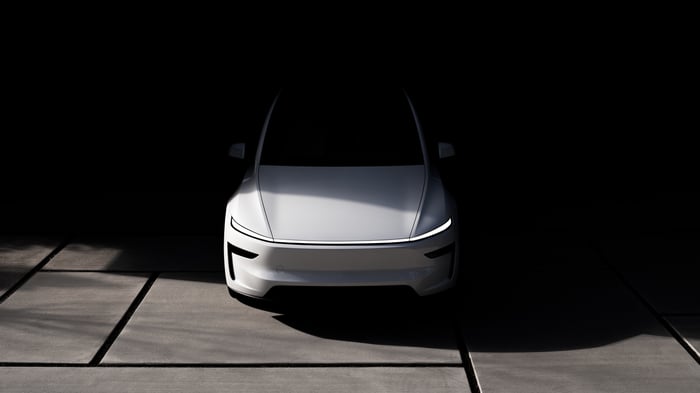
Tesla’s New Model Y. Image source: Tesla.
- Tesla Model Y
- Honda Passport
- Volkswagen ID.4
- Tesla Model S
- Honda Odyssey
- Honda Ridgeline
- Toyota Camry
- Jeep Gladiator
- Tesla Model X
- Lexus TX
Additionally, the following list details the share of U.S. light-duty (passenger) vehicle sales from domestic assembly for the 2024 model year:
- Tesla (NASDAQ: TSLA): 100%
- Ford: 72.4%
- Stellantis: 66.8%
- Honda: 61.5%
- Toyota: 53.6%
- Subaru: 48.7%
- General Motors: 47.6%
Notably, the absence of Ford and GM vehicles in the top ten most American-made list raises questions, especially considering Toyota’s anticipated profit downturn. Toyota has ramped up U.S. production, yet it still relies heavily on imports, bringing in around 1.2 million vehicles annually.
It’s essential to note that there are no clear winners amidst the impending tariff turmoil. However, Tesla stands out with a high percentage of domestic components and local manufacturing, securing the top rank in the index for three consecutive years.
Despite these strengths, Tesla grapples with challenges, including declining sales and uncertainty around its Robotaxi project, compounded by CEO Elon Musk’s controversial political stance.
Implications for Investors
Understanding the financial landscape is crucial for investors. Observing Ford’s comparatively smaller profit loss helps explain its higher domestic assembly percentage relative to Toyota and General Motors. Such insights are vital, as global automotive supply chains are intricate and changes happen gradually, often leading to significant disruptions. Watch closely, as tariff conditions could shift again at any moment, signaling a potentially turbulent road ahead.
Disclaimer: The views expressed are those of the author and do not necessarily reflect those of any financial institutions.