**Markets Shift Towards Rate Hikes Amid Rising Inflation Pressure**
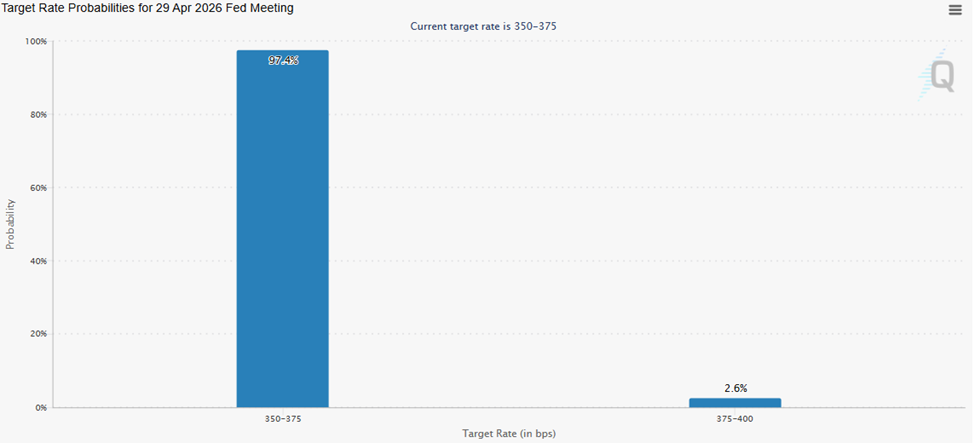
Last Friday, futures markets indicated a surprising shift, with the probability of a Federal Reserve rate hike surpassing 50% for the first time this cycle, according to CME Group’s FedWatch tool. This change reflects a stark reversal from the rate-cut narrative that had dominated markets for the past two years. The odds of a raise have since dropped to nearly 10%, signifying a significant evolution in market sentiment driven by three key factors: Brent Crude prices soared over $110 per barrel amid ongoing geopolitical tensions, import and export prices surged 1.3% and 1.5% respectively in February, and the OECD raised its U.S. inflation forecast to 4.2%, significantly higher than the Fed’s projection of 2.7%. Concurrently, recession risks are rising, with Moody’s Analytics estimating a 50% chance of a downturn within the next year.
**OpenAI Terminates Sora After Disappointing Performance**
OpenAI has officially shut down its video-generation model Sora, just six months after its launch and following a high-profile $1 billion deal with Disney. Downloads for Sora peaked at over one million within ten days but plummeted nearly 75% shortly thereafter, prompting concerns about its sustainability, especially with OpenAI reportedly spending $15 million daily on its operations. The termination reflects broader struggles within the consumer-facing AI application sector, as evidenced by Walmart’s decision to abandon its ChatGPT shopping integration due to poor sales performance.
**Private Credit Faces Significant Withdrawals Amid Economic Uncertainty**
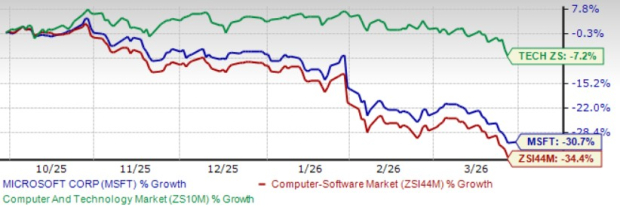
Investors in private credit are increasingly nervous, as inflows into open-ended private credit funds fell from $1.8 billion in early 2025 to just $1.1 billion in 2026, marking a more than 30% decline. This downturn is largely attributed to concerns about credit exposure to software-as-a-service companies, particularly in the consumer-facing AI space. Major funds have begun limiting withdrawals due to heightened demand, indicating significant market stress. Moreover, analysts warn of a looming $1.2 trillion in leveraged debt maturing between 2027 and 2029, creating potential refinancing challenges in a higher interest rate environment.