Tesla’s Reaction to Mexico’s Electric Vehicle Charging Regulations
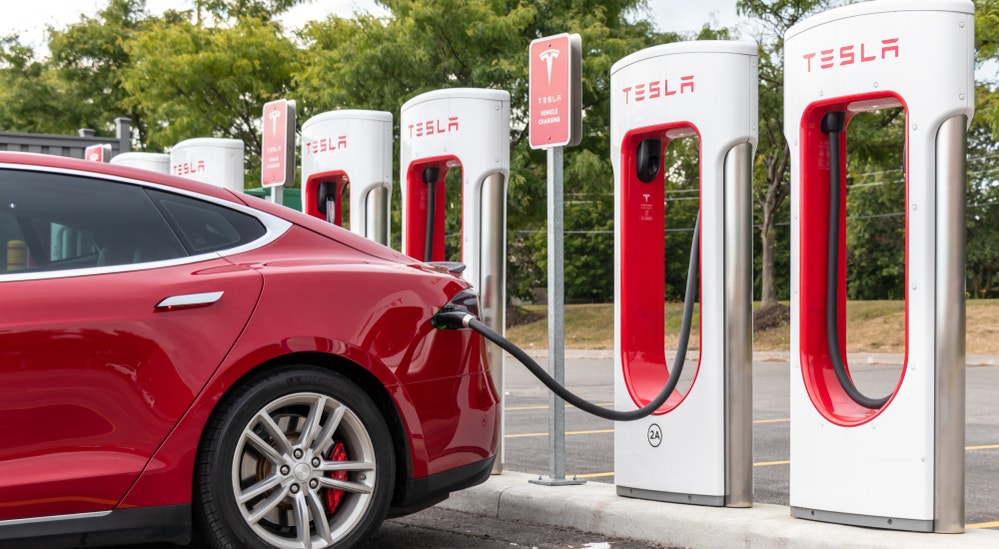
Tesla Inc. TSLA recently raised concerns about Mexico’s upcoming regulations concerning the establishment of electric vehicle charging stations, citing potential negative impacts on the overall customer experience. Executive Rohan Patel emphasized the need for an accessible network that caters to all vehicle requirements.
The Challenge of Multiple Connector Standards
What Happened: Patel highlighted that Mexico currently features five different connector standards, with the proposed regulations mandating that charging station operators select only two standards to implement. Tesla expressed apprehension that this limitation could hinder the rapid deployment of electric vehicles and create obstacles for cross-border travel between the United States and Mexico. Patel noted that Tesla has heavily invested in a comprehensive cross-country charging network in Mexico.
Concerns Over Complexity and Cost
Tesla’s letter to the Mexican government outlined the potential challenges posed by requiring charging stations to offer various types of chargers, an initiative that could significantly increase operational complexity and infrastructure costs. Patel emphasized the importance of streamlining the charging standards to accelerate deployment and enhance the overall customer experience.
The Importance of Charging Standards
Why It Matters: In the United States, two primary charging standards prevail—Tesla’s proprietary North American Charging Standard (NACS) and the Combined Charging System (CCS). Notably, major automakers, including General Motors, have committed to integrating Tesla’s NACS standard into their vehicles starting in 2025. The adoption of a unified charging standard is seen as a crucial step in fostering interoperability and enhancing the electric vehicle charging infrastructure.
Interoperability and Future of Electric Vehicle Charging
Expanding on the significance of charging standard unification, Ford and Rivian electric vehicle drivers have already begun utilizing Tesla’s NACS-incorporated superchargers in North America, facilitated by adapters. With future electric vehicles set to come equipped with NACS charge ports, the need for adapters is expected to diminish, further streamlining the charging process and promoting widespread adoption of electric vehicles.
Exploring the Landscape of Mobility
Check out more of Benzinga’s Future Of Mobility coverage by following this link.
Industry Challenges and Growth
Read Next: Will Fisker’s Troubles Ever End? EV Maker Reportedly Lost Millions, Missed Filings Due To Lax Procedures — And Now, Price Cuts
Image Via Shutterstock