Considered by many as the Oracle of Omaha, Warren Buffett’s investment strategies have stood the test of time, making undervalued Warren Buffett stocks an intriguing option for investors. Let’s delve into the allure of this particular investment category.
Why Warren Buffett Stocks Stand Out
Studying the broad spectrum of financial publications can be overwhelming due to the diverse array of systems and opinions. The critical question is whether these strategies have fleeting success or are built to endure the trials of time. With Buffett, you’re not dealing with momentary wins but decades of sustained prowess and success in the market.
Buffett’s adeptness at navigating both bull markets and bear markets sets him apart from the ordinary. While many can pick winners during market upswings, the true maestros are those who safeguard portfolios during downturns. Delve into the Oracle’s history, and you’ll find a seasoned veteran who has weathered numerous market cycles.
Relying solely on one individual or source for financial decisions is precarious. Nevertheless, if you were to choose a guiding light, following the Oracle’s trail could lead to promising outcomes. Here are three undervalued Warren Buffett stocks worth considering.
Kraft Heinz (KHC)
Source: Casimiro PT / Shutterstock.com
Kraft Heinz (NASDAQ:KHC), a multinational food company, emerges as a standout among undervalued Warren Buffett stocks. Basic human needs remain constant, making food companies like Kraft Heinz resilient in all economic climates. When times get tough, luxuries may be cut, but sustenance remains non-negotiable.
Despite lacking glamour, Kraft Heinz consistently outperforms. In its latest fourth-quarter report, the company surpassed earnings per share expectations, with a stellar track record of beating earnings estimates over several quarters with an average surprise of 6.9%.
Analysts project revenue of $26.85 billion for the current fiscal year, with estimates climbing to $27.36 billion by 2025, up from $26.64 billion in 2023. Trading at 11.52X forward earnings, Kraft Heinz offers a compelling value proposition beneath the sector average of 16.1X, with a target price of $38.21 indicating 11% potential upside.
Diageo (DEO)

Source: IgorGolovniov / Shutterstock.com
Diageo (NYSE:DEO), a prominent British multinational alcoholic beverage company, operates globally with a robust portfolio of well-known brands. Although DEO stock experienced a 3% gain since the beginning of the year, it faced volatility with a 13% decline over the past year. This dip may present a discounted long-term opportunity.
Despite the recent tumult, Diageo boasts a three-year revenue growth rate of 15.3%, outshining 76.26% of its peers, while maintaining an EBITDA growth rate of 16%, above the sector’s 9.2% median. Trading at a modest forward earnings multiple of 16.16X, below the sector median of 17.1X, Diageo appears undervalued. The optimistic price target of $175 indicates 18% growth potential, making it an attractive prospect among underappreciated Warren Buffett stocks.
Kroger (KR)
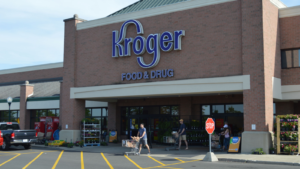
Source: Eric Glenn / Shutterstock.com
Despite recent scrutiny over product recalls, Kroger (NYSE:KR), a grocery store giant, represents an uncomplicated yet promising option among undervalued Warren Buffett stocks. With the inevitability of sustenance needs, Kroger stands to benefit from consumers tightening their belts and opting for home-cooked meals.
Continuing its trend of outperforming earnings estimates in recent quarters with an average surprise of nearly 8%, Kroger remains a reliable choice. Trading at a modest 12.61X forward earnings, Kroger presents an attractive value proposition.
Analysts’ consensus on Kroger leans towards a moderate buy, with an average price target of $58.27 suggesting a 5% upside potential. However, the highest price target of $70 indicates a substantial 26% growth opportunity, making Kroger an intriguing candidate in the realm of undervalued Warren Buffett stocks.
On the date of publication, Josh Enomoto did not have (either directly or indirectly) any positions in the securities mentioned in this article. The opinions expressed in this article are those of the writer, subject to the InvestorPlace.com Publishing Guidelines.