A significant shift in the stock market dynamics is occurring, as algorithm-driven trading now accounts for approximately 70%–90% of daily U.S. equity volume. Traditional long-term investing strategies are facing unprecedented challenges, with the average stock holding period dropping from around eight years in the 1950s to five months today.
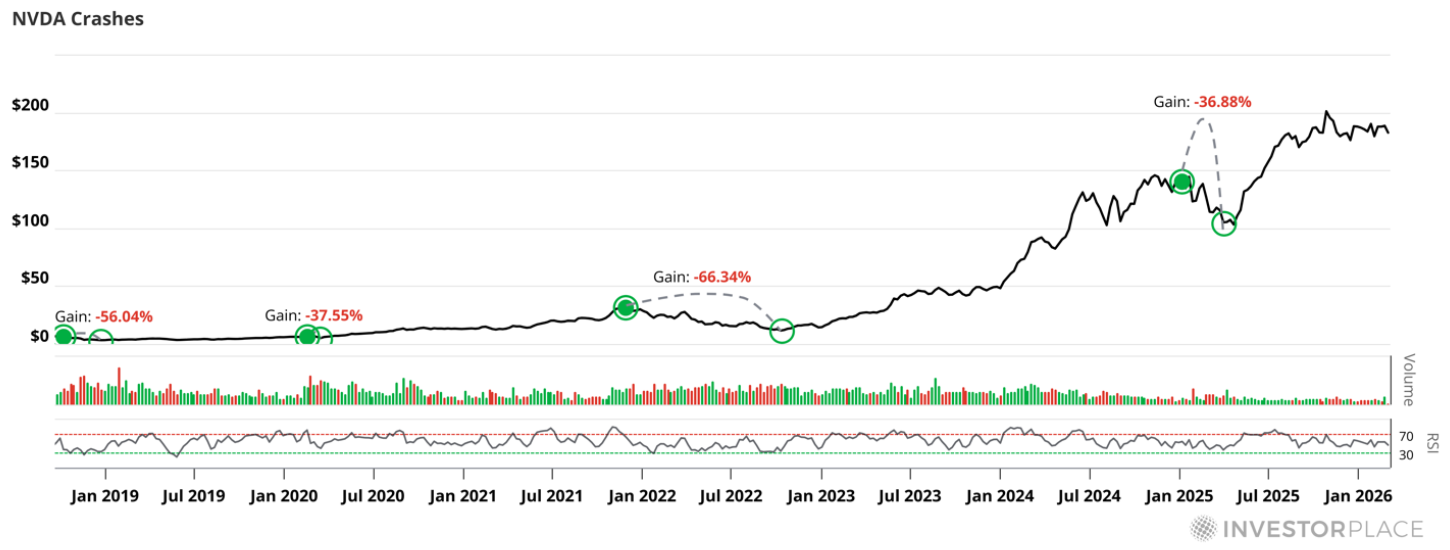
Since the onset of COVID-19, bear markets have become more frequent, with three occurring in roughly two years. The volatility has led to dramatic price movements; for instance, stocks like Nvidia have experienced declines of 66% within two years. This environment has forced investors to reconsider conventional wisdom about buying and holding stocks.
In response to this volatility, a framework known as stage analysis is gaining traction among investors. This method focuses on identifying stocks transitioning from consolidation to significant price advancements, particularly during “Stage 2.” A systematic approach to spotting these opportunities is essential, given the rapid changes in market conditions and the impact of automated trading systems.