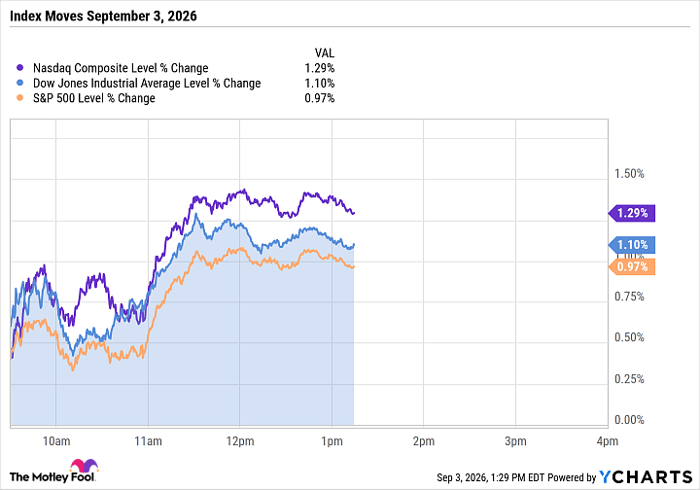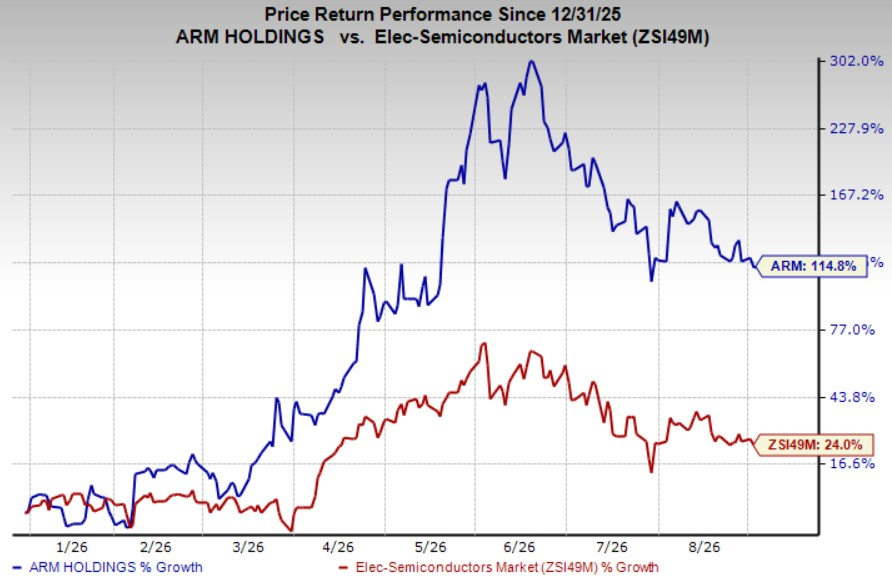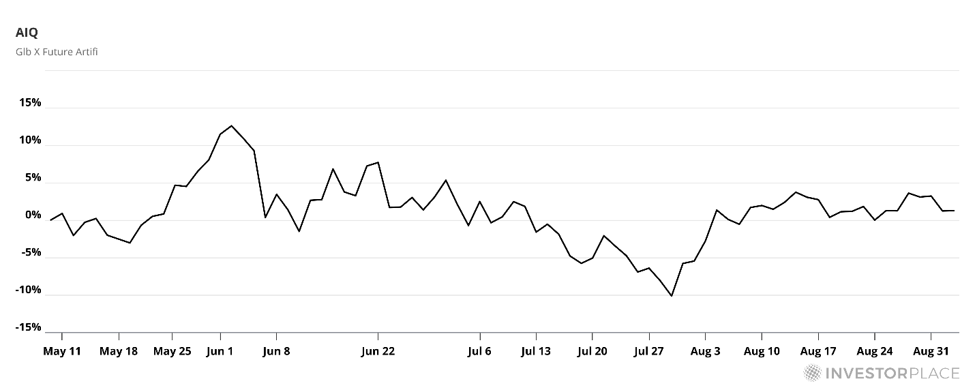
For nearly four months, the AI sector has experienced stagnation, with the Global X Artificial Intelligence & Technology ETF (AIQ) trading at levels unchanged since early May. Despite companies within the sector reporting increased revenues, backlogs, and higher earnings estimates, their stocks have not reflected this positive performance, resulting in a notable disconnect between fiscal fundamentals and market prices.
This divergence is attributed to collapsing excess liquidity, which has negatively affected valuations. Bloomberg reports that excess liquidity in G10 economies has seen its largest decline since the COVID-19 pandemic, becoming negative in June, coinciding with the onset of stagnant prices in the AI market. Corporate bond issuance has surged 27% year-over-year, reaching $1.68 trillion by July, creating additional competition for capital against U.S. government bonds, further complicating market dynamics.
Investors are advised to focus on companies that generate real profits and possess low debt levels, rather than relying on market sentiment for valuations. As such, businesses that maintain strong earnings amidst these challenges are likely to be more resilient in volatile market conditions, regardless of liquidity fluctuations.
5 Stocks Our Experts Predict Could Double In the Next Year
By submitting your email, you'll also get a free pivot & flow membership. A free daily market overview. You can unsubscribe at any time.