OpenAI Launches New AI Tools Amidst Ethical Concerns and Market Innovations
Tom Yeung here with your Sunday Digest.
On Wednesday, OpenAI introduced a new AI image generator for ChatGPT.
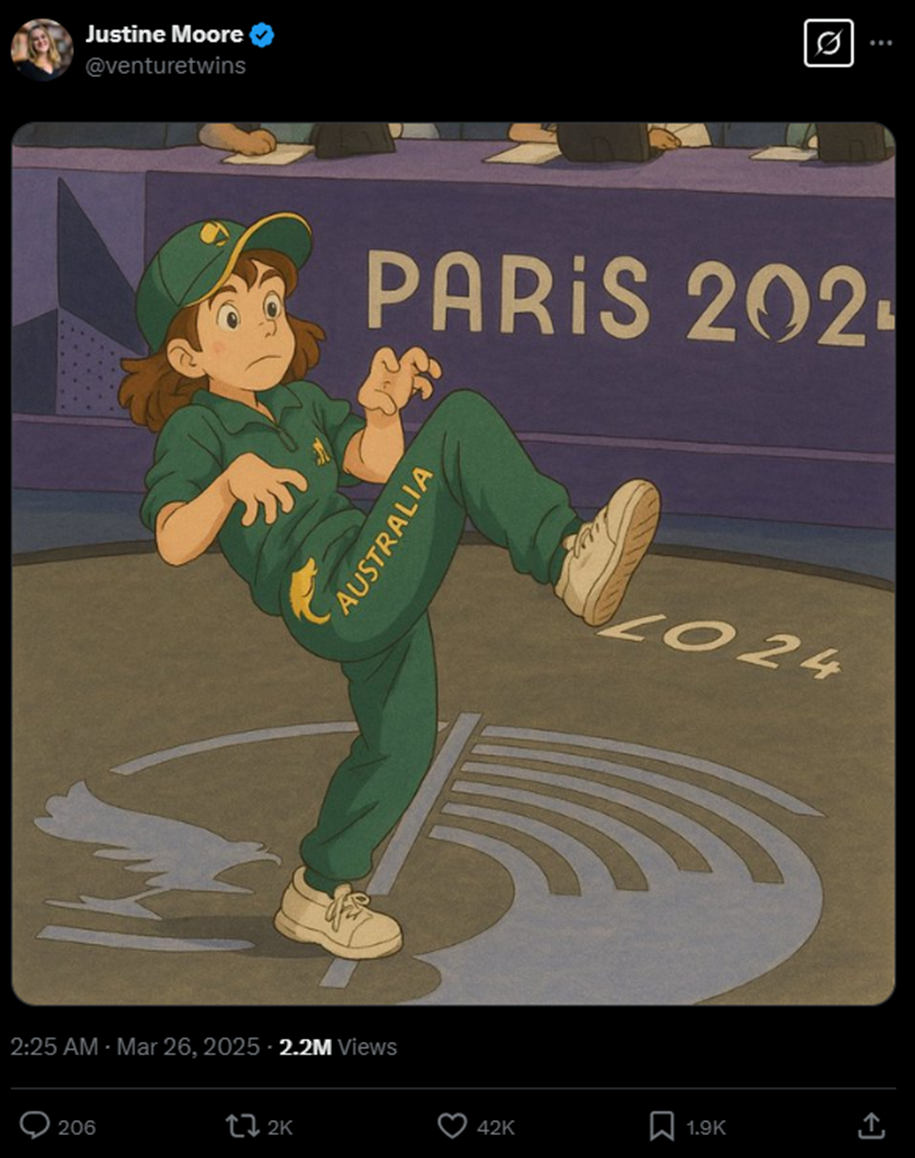
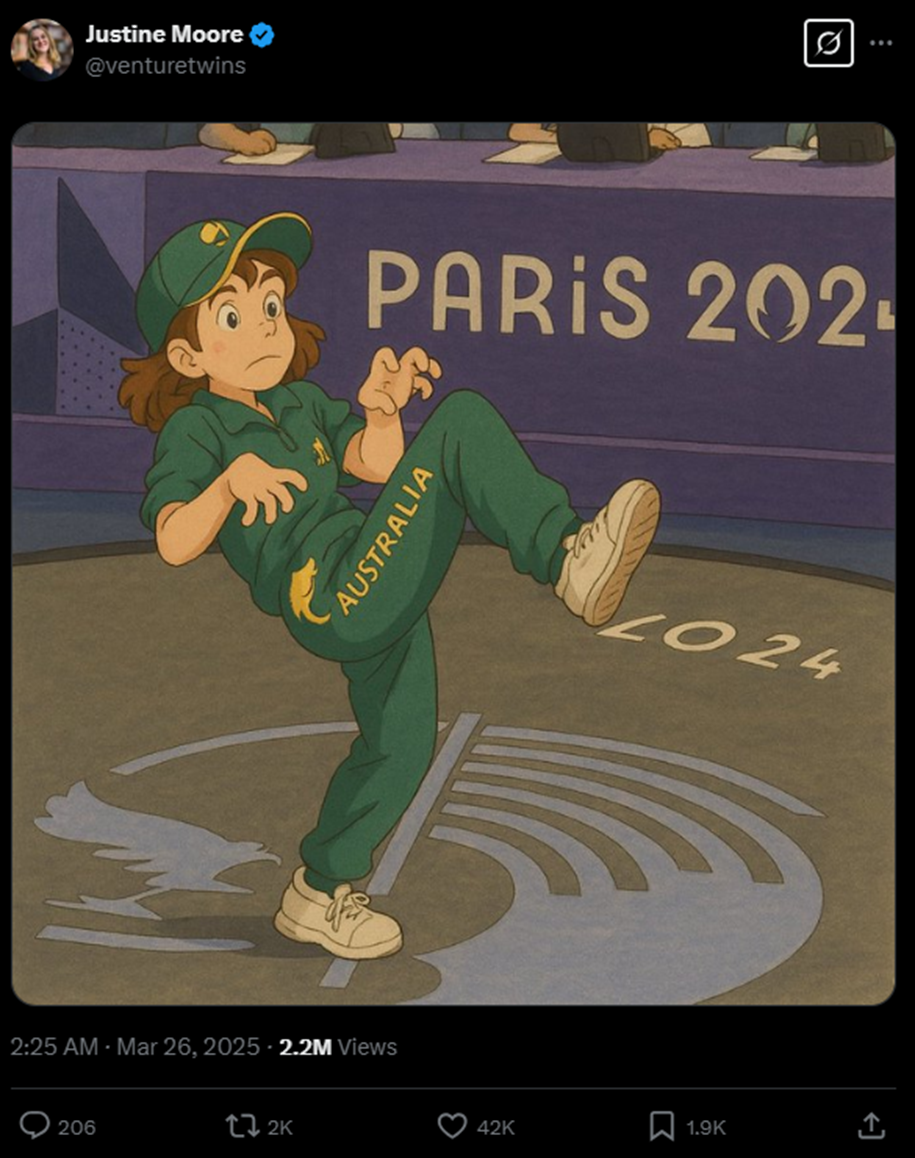
This system has minimal restrictions. Users can create photorealistic images of celebrities, modify existing photos, and even find ways to bypass copyright regulations. Consequently, social media has seen an influx of AI-generated memes echoing the style of Studio Ghibli, the renowned Japanese animation studio known for its film Spirited Away.
Source
OpenAI’s newfound “creative freedom,” as CEO Sam Altman described it, responds to rising competition from agile AI firms such as Elon Musk’s Grok and China’s DeepSeek. These companies prioritize rapid advancement over existing ethical concerns, pushing larger players to adapt similarly.
Even Alphabet Inc. (GOOGL) is joining the trend, launching several semi-finished products to remain competitive. Notably, Google’s own AI image generator can remove watermarks.
This trend raises significant ethical and safety concerns regarding AI.
- Amazon.com Inc.’s (AMZN) Alexa+ AI will manage smart home devices, encompassing thermostats and cooking ranges.
- Alphabet’s Gemini AI is set to replace the traditional Google Assistant, granting AI substantial access to personal information.
- Moreover, AI-driven weapons systems are emerging, capable of targeting drones.
(Will self-driving cars soon exhibit aggressive behavior?)
On a positive note, this wave of AI innovation is yielding extraordinary benefits for businesses, their consumers, and stakeholders.
- A multitude of AI-developed drugs is now progressing through late-stage development.
- Students can access complimentary homework assistance from AI chatbots.
- And numerous AI companies have transformed thousands of investors into millionaires.
Since May 2019, shares of Nvidia Corp. (NVDA) have soared nearly 2,500%. InvestorPlace Senior Analyst Louis Navellier added Nvidia to his Growth Investor Portfolio, stating, “AI is what has me really excited about NVIDIA right now.”
We are only at the beginning of this transformation.
In a recent special VIP report, titled The Next 3 Big Winners in AI, Louis, alongside InvestorPlace analysts Eric Fry and Luke Lango, discusses our transition from an “AI Builders” era to an era of “AI Appliers,” identifying three sectors that are experiencing this game-changing shift:
The first phase of the AI Revolution centered on the “AI Builders” – the chips, servers, and infrastructure that make AI feasible. The firms that employ AI to disrupt traditional markets will yield the next wave of outstanding returns. We refer to them as the “AI Appliers.”
The three analysts provided insights in their latest VIP report, part of their recent urgent Technochasm briefing. They outlined the growing disparity between the “haves” and “have nots” in markets and society.
Furthermore, they highlighted how AI is significantly contributing to this divide.
During the briefing, they presented a detailed roadmap to help investors capitalize on this emerging opportunity.
Check out the replay here.
I am authorized to reveal the three recommended stocks from that VIP report.
These companies have mastered harnessing the unpredictable power of AI. As the tech industry accelerates its research and development efforts, these firms are positioned to flourish.
Stock No. 1: Powering the AI Revolution
The first stock is a leader in power management chips, devices that regulate the electricity supplied to other integrated circuits.
This regulation is crucial; voltage or current spikes can damage processors, especially as more transistors are packed into advanced chips.
Enter Monolithic Power Systems Inc. (MPWR).
Founded in the late 1990s, the Seattle-based company pioneered a monolithic integrated power chip combining analog, digital, and memory components into a single device. This technology, known as bipolar-CMOS-DMOS (BCD), is now in its sixth generation and continues to provide Monolithic Power with a competitive edge.
Monolithic has seen substantial growth, now boasting a market valuation of $30 billion, making it a significant supplier of power chips for data centers focused on AI. Additionally, MPWR maintains a strong presence in autonomous vehicles and driver assistance technologies, where reliability is paramount.
Recently, the company raised its guidance during its 2025 investor day on March 20. Management now anticipates $635 million in revenue for the upcoming fiscal year.
Monolithic Power and Workday Lead AI Investment Opportunities in 2024
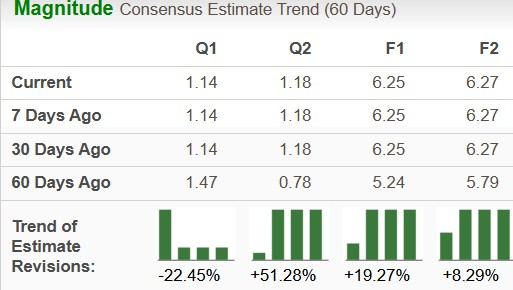
Monolithic Power Systems (MPWR) has faced significant challenges, but it anticipates a promising first quarter, projecting revenues to hit $625 million, an increase from previous estimations. Additionally, the company expects adjusted operating profits to exceed prior forecasts by about $10 million.
Wall Street analysts predict sustained growth for the firm, anticipating a formidable 40% increase in revenues this year. Furthermore, full-year operating earnings could nearly quadruple to $880 million, thanks to the company’s leadership in the data center and emerging “physical AI” sectors.
The rise of AI-powered devices—such as robots, self-driving vehicles, and advanced security systems—will drive demand for the power chips that Monolithic manufactures. Additionally, data centers, which support these devices, will seek MPWR’s solutions.
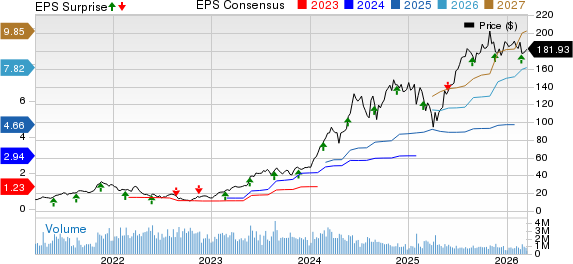
Despite this optimistic outlook, macroeconomic concerns have weighed on MPWR’s stock, which has declined by 15% since February. Those concerns mostly stem from potential U.S. tariffs on imported vehicles, as approximately 20% of MPWR’s revenue is derived from the automotive industry. Moreover, a 30% stock drop was noted last October following a warning from Edgewater Research regarding potential quality issues tied to Nvidia’s Blackwell chips; thus far, those concerns have not been realized.
Currently, Monolithic Power stock trades at just 20 times forward earnings, a valuation that is well below its peers in the semiconductor industry. This positions MPWR as a high-growth innovator at a value price in the AI space.
Workday: An Evolution in Human Resource Management
Workday Inc. (WDAY) emerged from a significant moment in the tech world. In 2003, Oracle Corp. (ORCL) attempted a hostile takeover of PeopleSoft, culminating in a two-year struggle that resulted in a takeover. The aftermath saw Oracle cut thousands of employees, which prompted the establishment of Workday by disillusioned former PeopleSoft executives.
David Duffield, former CEO of PeopleSoft, reflected on that time by stating, “We didn’t go overboard trying to be profitable. We earned our profitability from having our employees be happy, loving what they do, and our customers loving what we did for them.” As the founder and CEO of Workday, Duffield was instrumental in creating the first cloud-native human capital management (HCM) platform.
Workday’s innovative platform allows users to access its management system from any device, providing seamless service anywhere in the world. The cloud-based infrastructure ensures that users do not face concerns related to software updates or hardware limitations, contributing to Workday’s leadership in the HCM market. Today, it serves over 60% of Fortune 500 companies while also accommodating small and medium-sized enterprises.
The rapid advancements in AI are poised to significantly benefit Workday. With a cloud-first approach, the firm can quickly deploy new AI products to its customer base, transferring the necessary AI computing power to the cloud.
Key AI applications from Workday include:
- Recruiting: Workday’s tools streamline the recruitment process by automating candidate screening and suggesting job requirements based on AI-driven insights.
- Talent Management: The same Workday Skills Cloud used for recruiting also tracks internal employee skills, recommending career opportunities and mentorship.
- AI Assistance: Workday provides AI-driven solutions such as Workday Assistant, allowing users to consult natural language queries and receive contextual answers to HR and finance questions.
The recent market selloff presents a compelling buying opportunity for Workday. Currently, shares are priced at just 29 times forward earnings, significantly lower than the five-year average of 47 times. Like Monolithic Power, Workday exemplifies fast growth in AI applications at an attractive valuation.
Xometry: Revolutionizing the Manufacturing Landscape
3D printing has long faced profitability issues due to the overwhelming number of firms in the sector and the mismatch between production capabilities and market demand. Larger manufacturers often bypass 3D printing due to the cost of raw materials, while smaller companies struggle with the high upfront costs of 3D printing technology.
Xometry Inc. (XMTR) is changing the narrative by offering the service of 3D printing rather than selling the printers themselves. Customers can easily upload designs to Xometry’s platform and receive instant quotes for production quantities. The company manages the entire manufacturing process without customers needing to interact directly with 3D printers.
This innovative model relies on an AI-driven marketplace that connects buyers with producers capable of meeting their needs. For example, a client wanting a custom 3D-printed propeller for a drone can upload specifications, with Xometry’s system swiftly matching them to suitable producers and providing immediate pricing.
This strategy has allowed Xometry’s revenues to skyrocket—from $80 million in 2019 to a projected $545 million in 2024, with ambitions of reaching $1 billion by 2028.
Several factors promise to sustain Xometry’s growth:
Firstly, ongoing improvements to Xometry’s AI matching algorithms have successfully enhanced gross margins, enabling more efficient connections between buyers and lower-cost suppliers.
Secondly, advancements in AI modeling continue to refine existing products, allowing 3D printing to play a critical role in their realization, such as improved bicycle pedals and shock absorbers.
Lastly, the global manufacturing landscape is shifting towards on-demand, AI-driven production, with Xometry well-positioned to capitalize on this transformation.
Seizing Opportunities in the AI Revolution
In 2020, Eric, Louis, and Luke introduced the concept of the “Technochasm,” emphasizing the growing divide in technological advancement and its impact on ordinary Americans.
On one side of the divide are the “haves”—those who seize opportunities in transformative technologies like AI.
AI Innovations Present New Investment Opportunities Despite Market Challenges
A divide is emerging between those who stand to gain from advancements in artificial intelligence and those left behind. Early investors in firms like Nvidia have reaped substantial rewards, while others face job displacement as AI technology advances. The consequences of this shift have sparked concerns about job security and financial stability among at-risk workers.
However, three recent stock picks indicate that the AI Revolution is only just beginning. If individuals missed out on investing in Nvidia back in 2019, there is still a chance to recover and seize new opportunities. For those fortunate enough to have invested early, staying informed and ahead of the curve remains crucial.
Currently, many traders are pivoting toward “safe haven” assets like gold, opting to avoid the high-risk, high-reward potential of leading AI stocks. Despite this trend, it is expected that once markets recover, fundamentally sound AI stocks will experience a significant resurgence.
Eric, Luke, and Louis highlight these promising opportunities in their new Technochasm briefing. Those seeking to capitalize on the AI boom will find this moment a rare “second chance” to invest in groundbreaking companies. Their recent selections promise potential triple-digit returns within just a few months.
In an urgent broadcast, Eric, Luke, and Louis discuss why nearly a trillion dollars in new investments could soon flow into two lesser-known areas of the AI sector. They also elaborate on how this influx could enhance both the lucrative and disruptive dynamics of the Technochasm and provide strategies for preparation and profit.
The insights shared in this conversation are timely and critical for potential investors looking to navigate the AI landscape effectively.
Click here to watch their special free broadcast now.
Looking forward to sharing insights with you again next Sunday.
Regards,
Tom Yeung
Markets Analyst, InvestorPlace