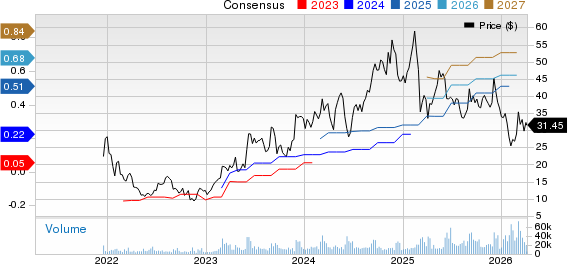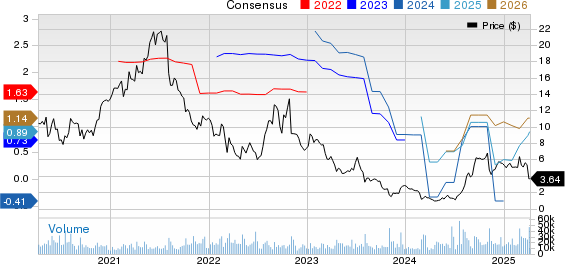
On March 25, 2026, Google Research unveiled a new compression algorithm named TurboQuant, leading to a significant sell-off in memory stocks, including notable companies like Cloudflare (NET), Micron (MU), and SanDisk (SNDK). Within hours of the announcement, analysts dubbed the situation “Google’s DeepSeek moment,” indicating a panic among investors.
TurboQuant compresses the Key-Value (KV) cache used by AI models from 16 bits per value to just 3 bits, achieving a 6x reduction in memory footprint without compromising model accuracy. This efficiency breakthrough is expected to modify demand dynamics within the AI industry, challenging projections of reduced memory needs. Experts argue that improved efficiency could lead to expanded applications, thereby increasing overall memory demand rather than diminishing it.
Despite fears of declining memory capacity requirements, analysts suggest that TurboQuant will instead enable more ambitious AI applications and greater overall memory usage. The historical context of efficiency-induced demand growth, highlighted by the Jevons Paradox, supports this outlook, indicating that investors may have prematurely sold off key memory stocks.