In a world where retail was declared deceased, a surprising resurgence has left naysayers scratching their heads. The era of e-commerce dominance, exacerbated by a global pandemic, was presumed to sound the death knell for traditional retail brick-and-mortar establishments. However, against all odds, retail is experiencing a renaissance, defying prophesies of its imminent demise.
Revitalization Amidst Adversity
Consumers, it seems, have reaffirmed their affinity for the tangible, tactile experience of in-store shopping. Despite the convenience of virtual shopping carts, the desire to physically engage with merchandise remains strong. Recent Census Bureau data reveals a persistent upward trajectory in retail sales, even amidst the backdrop of rising inflation. February saw a modest 0.6% increase in sales, signaling an underlying resilience in the sector.
Abercrombie & Fitch (ANF): A Phoenix Rising
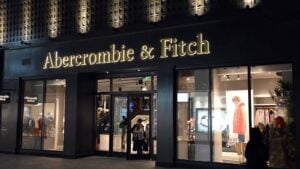
Source: Paul McKinnon / Shutterstock.com
Abercrombie & Fitch (NYSE:ANF) emerges as a beacon of hope in the retail landscape, witnessing a remarkable quadrupling in value over the past year. This metamorphosis from a teen-centric outfitter to an adult-focused brand epitomizes a remarkable transformation. A strategic shift targeting the demographic of 22 to 45-year-olds has proven wildly successful. The Hollister brand, once a bastion of youth culture, is now attracting a burgeoning clientele aged 35 to 54.
Noteworthy is the resurgence of Hollister, boasting a three-quarter growth streak with a 9% revenue spike in the fourth quarter. Abercrombie’s same-store sales surged by a staggering 28% compared to the previous year. Bolstered by a strategic pivot towards office, special occasion, and activewear, the company witnessed a meteoric earnings rise, with profits catapulting from $10.4 million to $335 million. ANF stock remains an enticing prospect for investors seeking a retail comeback story.
Resurgence of Gap Stores (GPS)

Source: Alex Millauer / Shutterstock.com
Gap Stores (NYSE:GPS) orchestrates a narrative of redemption, with its stock soaring by 153% in the past year. The company, under new leadership, has embarked on a journey of revival after years of fluctuating fortunes. While Gap’s sales exhibited a marginal 5% downturn, the real success story lies in the expansion of profit margins—with gross margins widening by 450 basis points and merchandise margins escalating by 490 basis points.
Although the Banana Republic and Athleta brands struggled to regain traction, Old Navy demonstrated signs of resurgence with a 2% rise in same-store sales during the fourth quarter. While Gap’s revival narrative is compelling, long-term growth prospects may raise questions among investors.
American Eagle Outfitters (AEO): Riding the Wave
Source: [Image Source]
American Eagle Outfitters (AEO): Shining Bright Amidst Transformation
Amidst the turmoil of the retail sector, American Eagle Outfitters (NYSE:AEO) stands as a beacon of transformation. From a brand once solely recognized by its logo on clothing, AEO has metamorphosed into a company resonating deeply with consumer tastes, akin to a butterfly emerging from its chrysalis.
The Rise of American Eagle Outfitters
In the wake of the post-pandemic era, American Eagle Outfitters truly embraced the concept of ‘revenge shopping.’ AEO stock witnessed an extraordinary tripling in value within a year, solidifying its position as a top choice for retail investors. The stock soared by 81% in the past year, with both sales and comps experiencing significant upticks.
Particularly noteworthy is the success of American Eagle’s Aerie brand. By branching out into new verticals like the activewear line, Offline by Aerie, the company has tasted substantial success. Aerie is poised to become a $2 billion brand within a brief span. Bolstered by Offline, the company amassed a whopping $1.6 billion in sales in 2023.
Optimism surrounds AEO stock, with CEO Jay Schottenstein envisioning the company generating $6 billion in sales within three years. Schottenstein declared boldly to analysts, “We are at an inflection point… aligned our strategy for growth. From here, we are focused on execution, poised for success.”
By streamlining its operations and focusing solely on core growth avenues, AEO stock appears to have vast untapped potential, akin to a hidden treasure waiting to be discovered.
Urban Outfitters (URBN): Navigating the Retail Tides
As the retail landscape witnesses various turnaround narratives, Urban Outfitters (NASDAQ:URBN) emerges in a similar trajectory. While the flagship stores present a challenge, Urban Outfitters’ other brands are charting a path of remarkable growth, akin to a phoenix rising from the ashes.
With brands like Free People and Anthropologie leading the charge with robust growth rates, URBN stock is bolstered by their success, compensating for the struggles of the parent chain. The primary Urban Outfitters brand, struggling to resonate with its target audience, seems in dire need of a makeover to reconnect with consumers.
Emphasizing e-commerce, Urban Outfitters faces margin pressure in a hyper-competitive landscape. Furthermore, its wholesale segment adds a layer of complexity, potentially hindering growth. Despite experiments with new verticals like clothing rental and resale businesses, URBN still grapples with challenges, making it a less favorable choice in the retail investment realm.
Lululemon Athletica (LULU): Pioneering Paths in Athleisure
Lululemon Athletica (NASDAQ:LULU) has been a trailblazer in the athleisure market, setting the trend for others to follow, much like a compass pointing the way forward. With shares witnessing a steady ascent over the years and a recent 55% increase, LULU stock continues to captivate investors.
Despite a slight dip in stock value post-holiday season updates, Lululemon’s management outlook remains positive. However, facing competitive pressure from behemoths like Nike (NYSE:NKE—
Resilience and Renewal: Uncovering Opportunities in the Retail Sector
The Rise of Torrid Holdings (CURV)
While Victoria’s Secret has stumbled in its attempt to cater to plus-sized shoppers, Torrid Holdings (NASDAQ:CURV) has stayed the course, reaping the benefits of its unwavering focus. The former’s stock has plummeted 40% in the past year, while the latter has surged by 47%, underscoring the power of steadfast dedication. It’s a tale of two strategies – chasing trends versus staying true to your audience.
Nevertheless, Torrid has weathered its share of storms, with a steep 85% decline from its 2021 IPO heights largely due to pricing missteps during a discount-driven period. Learning from its past, the company is now adjusting its approach, emphasizing value, expanding retail presence, and enhancing operational efficiency, a formula that bodes well for its future prospects.
One possible hurdle on the horizon for CURV stock is the widespread adoption of weight-loss medications like Novo Nordisk’s Ozempic and Wegovy, as well as Eli Lilly’s Zepbound. The success of these drugs in aiding weight reduction might pose challenges to the company’s forward momentum in the plus-sized market.
Embodied as the plus-sized counterpart to Hot Topic in yesteryears, Torrid’s narrative has always revolved around serving its core consumer base. As it refines its game plan to optimize operations, CURV stock stands poised to tap into the evergreen demand for well-fitting attire, paving the way for sustained growth.
Simon Property Group (SPG): Riding the Reinvention Wave
Eclipsing the doubters, Simon Property Group (NYSE:SPG), a stalwart in the shopping mall domain, has defied the prevailing narrative of a retail apocalypse. With a remarkable 44% surge in its stock value over the past year, SPG thrives on consumers’ enduring penchant for physical shopping experiences.
As the largest operator of U.S. shopping malls, Simon prides itself on Class A venues boasting a staggering 95% occupancy rate. While doomsayers proclaim the demise of retail, Simon’s thriving malls present a contrasting tale, suggesting resilience in the face of e-commerce headwinds.
Owing to its focus on affluent clientele, Simon’s malls typically weather economic storms with grace, shielded from the immediate impact of downturns. While Class B and C malls are fading into oblivion, Class A establishments like those under Simon’s umbrella are in a phase of expansion and adaptation, emblematic of the company’s forward-looking ethos.
Operating as a Real Estate Investment Trust, Simon Property Group’s dividend payout policy, yielding over 5% annually, underscores its commitment to value creation for investors. Bucking the trend of retail pessimism, investing in SPG stock not only defies the retail apocalypse narrative but also offers a tangible return on investment, underscoring the enduring allure of traditional shopping spaces.
On the date of publication, Rich Duprey did not hold (either directly or indirectly) any positions in the securities mentioned in this article. The opinions expressed in this article are those of the writer, subject to the InvestorPlace.com Publishing Guidelines.
5 Stocks Our Experts Predict Could Double In the Next Year
By submitting your email, you'll also get a free pivot & flow membership. A free daily market overview. You can unsubscribe at any time.