OpenAI has significantly reduced its AI software prices by up to 80%, a move driven by the need to appeal to cost-conscious enterprises. Between November 2022 and October 2024, the cost to run an AI model with performance comparable to GPT-3.5 is projected to decrease from $20 to just $0.07 per million tokens, marking a decline of over 99.6%—or a 280-fold reduction—in under two years. Stanford University indicates that AI inference prices have been falling by between ninefold and 900-fold annually, raising questions about the sustainability of high revenue levels in the AI sector.
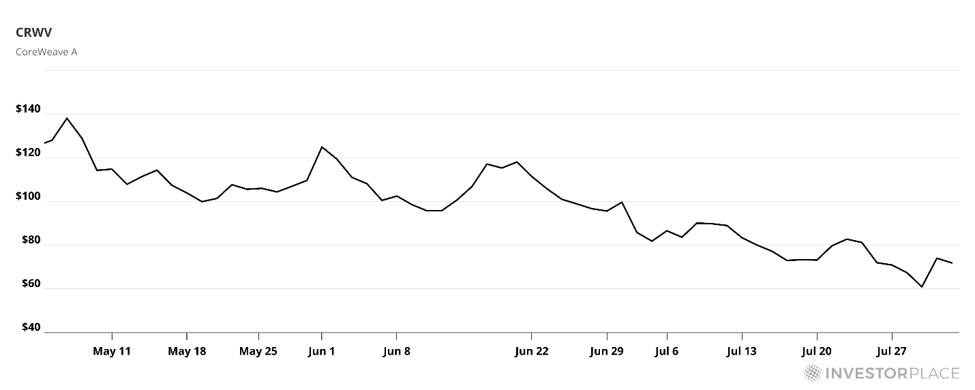
As AI becomes cheaper, there are concerns that companies relying on premium-priced AI computing capabilities might face increased pricing pressures. For instance, the stock of CoreWeave has plummeted over 40% since May as investors reassess the long-term viability of premium AI infrastructure. The critical question emerges: will AI adoption outpace the decline in prices, thereby sustaining market growth?
In light of these trends, investors are re-evaluating their portfolios to determine which companies will thrive in an environment where AI is increasingly ubiquitous and less costly. This shift presents both challenges and unique opportunities across various sectors.
5 Stocks Our Experts Predict Could Double In the Next Year
By submitting your email, you'll also get a free pivot & flow membership. A free daily market overview. You can unsubscribe at any time.