Eli Lilly (LLY) and Johnson & Johnson (JNJ) are major U.S.-based healthcare firms, both delivering robust revenue growth. In the first half of 2026, Lilly’s GLP-1 diabetes and obesity therapies, particularly Mounjaro and Zepbound, generated combined sales of $27.6 billion, representing about 65% of the company’s total revenues. Meanwhile, J&J’s Innovative Medicines segment saw a year-on-year sales increase of 6.2%, fueled by strong performances from drugs like Darzalex and new entrants Carvykti and Tecvayli.
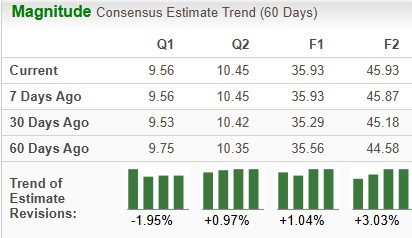
Lilly is focusing on expanding its GLP-1 portfolio, with upcoming late-stage candidates like Retatrutide expected to drive significant growth, while J&J aims to boost its diverse revenue through its more than 275 subsidiaries, projecting over $100 billion in revenue for 2026. As of now, the Zacks Consensus Estimate predicts a 35.4% increase in Lilly’s sales and 48.4% in EPS for 2026, contrasting with J&J’s estimated sales and EPS growth of 7.3% and 7.4%, respectively.
Year-to-date, Lilly’s stock has risen 6.9%, whereas J&J’s has seen a surge of 33%. Lilly’s current valuation stands at a forward P/E ratio of 26.87, markedly higher than J&J’s 22.16 and the industry average of 18.71. Despite the challenges they face, including pricing pressures and increased competition for Lilly and patent expirations for J&J, analysts maintain a hold rating for both stocks.
5 Stocks Our Experts Predict Could Double In the Next Year
By submitting your email, you'll also get a free pivot & flow membership. A free daily market overview. You can unsubscribe at any time.