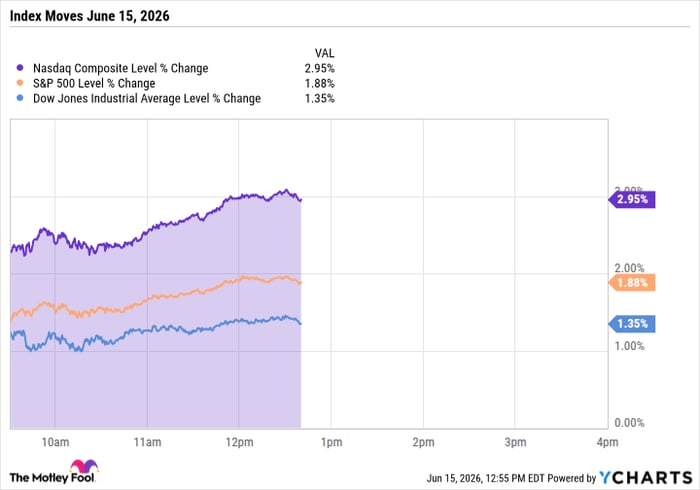
The US dollar index (DXY) fell to a one-week low on Monday, closing down by 0.09%. This decline was primarily driven by the US and Iran’s agreement to end their war and reopen the Strait of Hormuz, which reduced demand for the dollar. Additionally, a 4% drop in WTI crude oil to a three-month low and weaker-than-expected US economic data, including a decline in the June Empire manufacturing survey to 5.7 from an expected 13.7, further pressured the dollar.
In Europe, the euro gained 0.22%, bolstered by the lower dollar and comments from ECB Governing Council member Martins Kazaks indicating readiness to combat rising energy prices. Eurozone April industrial production rose 0.1% month-over-month, meeting expectations. In Japan, the yen experienced modest losses despite an early advance, as stronger Nikkei Index performance reduced safe-haven demand.
Gold prices surged, with August COMEX gold up 2.66%, supported by the weaker dollar and lower global bond yields. Fund liquidations in precious metals witnessed long holdings in gold and silver ETFs drop to six-and-a-half and ten-and-a-half month lows, respectively. Meanwhile, China’s central bank increased its gold reserves by 320,000 ounces in May, marking the largest monthly rise in 17 months.
5 Stocks Our Experts Predict Could Double In the Next Year
By submitting your email, you'll also get a free pivot & flow membership. A free daily market overview. You can unsubscribe at any time.