“`html
Market Volatility Sparks Investor Uncertainty Amid Tariff Drama
In investing, falling into the trap of believing “this time is different” can be hazardous. Such notions often cause investors to overlook historical trends and patterns.
The last significant impact of tariffs on the stock market occurred in 1930, with the enactment of the Smoot-Hawley Tariff Act.
Notably, in 1930, television was still a future concept, and news circulated primarily through telegraphy. Today, a single tweet from President Donald Trump can lead to an immediate market reaction.
This context makes it challenging to discount the idea that “this time is different.” Our current fast-paced, interconnected global economy stands in stark contrast to that of the 1930s.
The ongoing tariff situation could culminate in a severe economic downturn, similar to the events of 1930. Alternatively, it might resolve in the upcoming months, paving the way for the market to return to the upward trend seen in 2023 and 2024.
Foreseeing the precise outcome remains impossible. As a result, global macro investing expert Eric Fry advises preparing for both positive and negative scenarios, and I will share some of his insights and investment recommendations.
Market Unrest and Shifting Sentiments
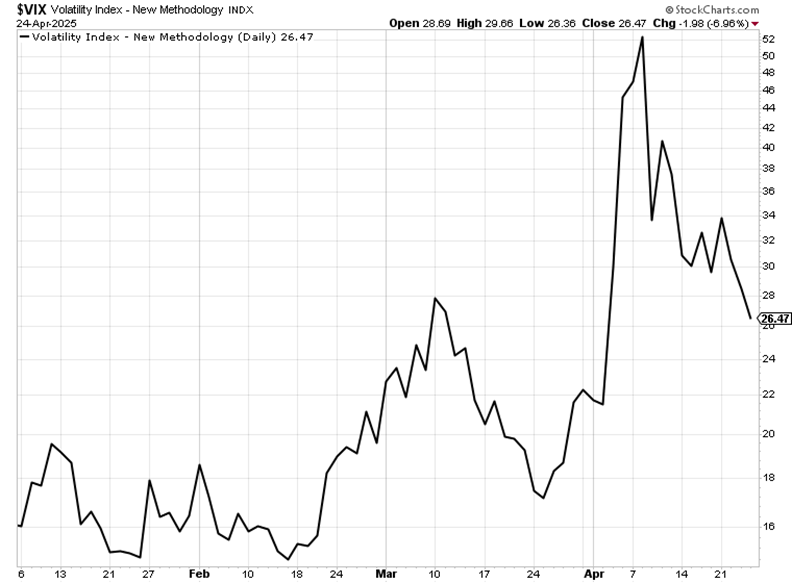
The past month has featured extreme fluctuations in investor sentiment. This volatility is reflected in the market’s “fear gauge,” known as the VIX. Markets have been unstable since Inauguration Day, with levels of fear increasing significantly following Trump’s tariff announcement.
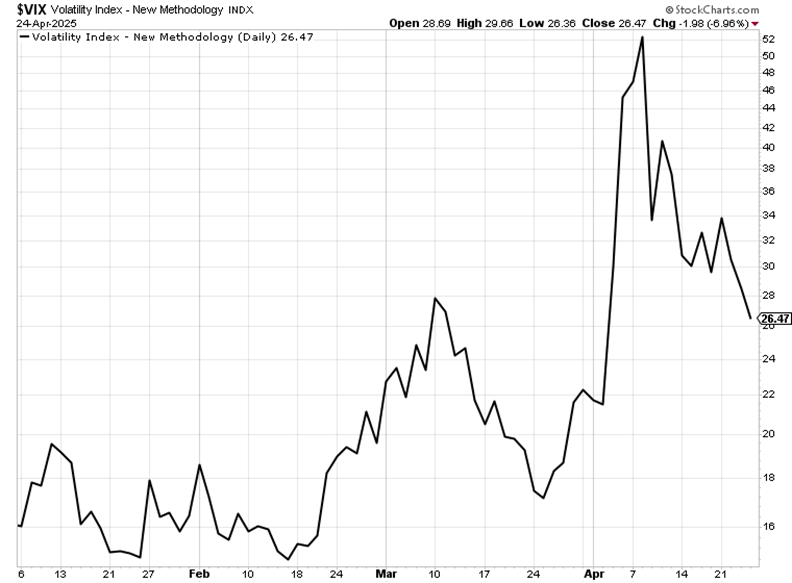
In the last week, market movements intensified notably after Trump expressed the desire to dismiss Federal Reserve Chairman Jerome Powell for not implementing interest rate cuts swiftly enough. Subsequently, many losses were regained when he stated he had “no intention” of firing Powell.
Rapid movements like these can leave investors feeling disoriented.
Recent earnings reports have not provided clear insights. Even positive results have come with considerable uncertainty.
Major companies, including American Airlines, Southwest, Procter & Gamble, and PepsiCo, have acknowledged uncertainties in their forward-looking guidance. Such hesitations were common in this week’s headlines.

PepsiCo CEO Ramon Laguarta highlighted, “As we look ahead, we expect more volatility and uncertainty, particularly related to global trade developments, which we expect will increase our supply chain costs.”
Strategies for Investors in This Landscape
In his latest issue of Eric Fry’s Investment report, analyst Thomas Yeung indicates that Eric Fry is taking a balanced approach, preparing for all potential outcomes.
In our best-case scenario, the threat of a significant recession will recede. Trump’s tariff conflicts resolve without substantial implications for inflation, supply chains, or long-term investor confidence. Furthermore, we may witness significant advances in artificial intelligence, energy innovation, and biotechnology, leading markets to set new all-time highs.
We might also benefit from the reshoring of high-tech industries like advanced chipmaking and solar panel production.
“`# Current Market Conditions Present Unique Investment Opportunities
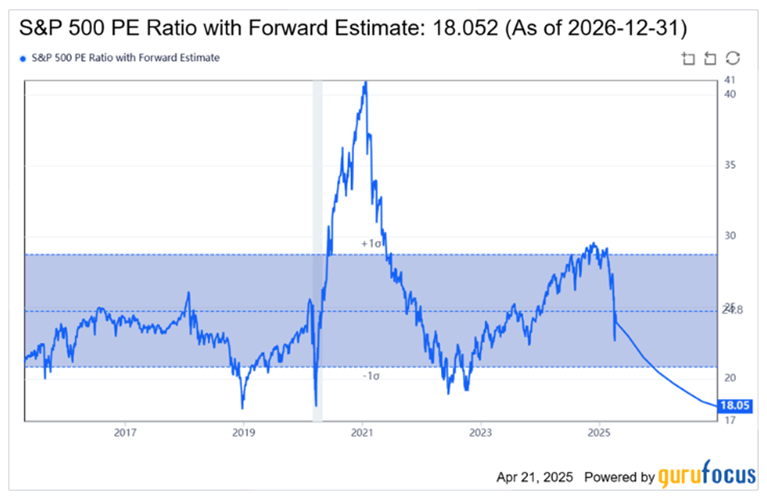
Today marks one of the decade’s most significant investment moments. The recent sell-off has positioned the S&P 500 at just 18 times forward earnings. To hit median price levels, equities must rise by 37.3%, and they would need a 65% increase to regain the heights seen in December. This outlook does not factor in the potential for even greater gains in individual stocks.
Many retail investors remain optimistic about stocks amidst these conditions.
Could Historical Trends Repeat Themselves?
Nonetheless, concerns arise about whether this time could be different, leading us into a trade war scenario reminiscent of the 1930s.
Numerous factors could go awry. For instance, the president may miscalculate the inflationary effects of the current 125% tariffs on Chinese imports. Such misjudgments might compel the U.S. Federal Reserve to raise interest rates, potentially igniting tensions with President Trump. Recently, U.S. stocks experienced a 3% drop due to fears that the president might dismiss Fed Chair Jerome Powell.
Additionally, growing concerns among consumers are evident. Currently, one in four auto loans are underwater, and consumer confidence has reached its lowest point in 12 years, all occurring while Wall Street projects record earnings this quarter.
If these high expectations falter, we may face a “Wile E. Coyote” market where prices are rising without solid fundamentals to support them.
In light of this uncertainty, Eric is preparing for the worst while remaining hopeful for a positive outcome.
Strategies for an Optimistic Outlook
Eric continues to back the AI megatrend and holds stocks in his portfolio he believes will perform well. In an optimistic scenario, he favors Advanced Micro Devices (AMD).
Initially recommended in early March, AMD exemplifies a company that has faced volatile market conditions since the announcement of the tariffs.
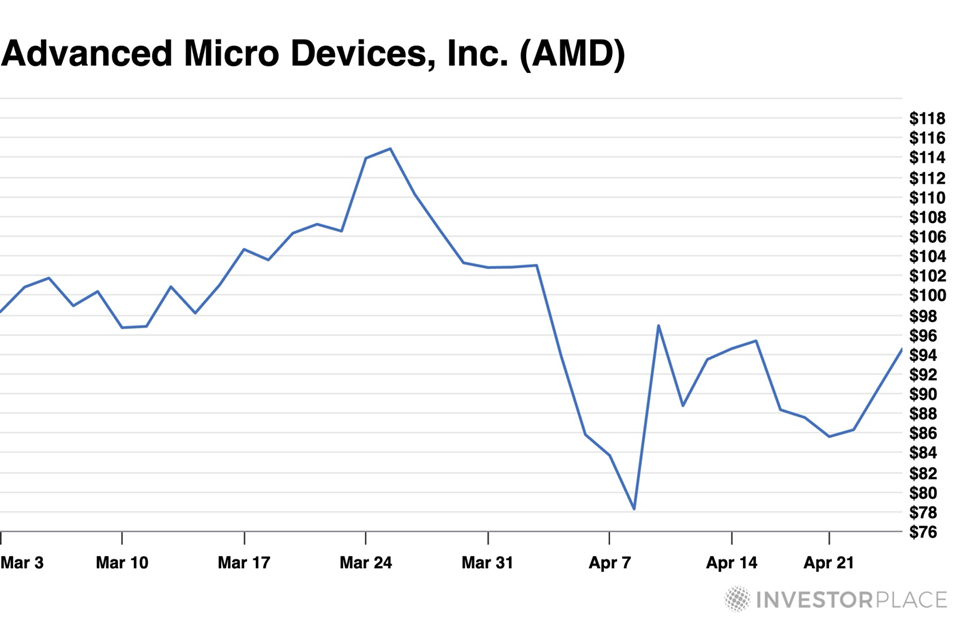
Eric’s insights on AMD were shared when he recommended it on March 7.
Advanced Micro Devices Inc. (AMD) is a significant producer of advanced computer processors and has become a key player in various AI sectors. Overall, the business is thriving, but the stock price has not reflected this success. This mismatch offers a promising investment opportunity.
AMD has successfully driven profit growth and expanded its market share in crucial sectors, making it what I term a “brown bag” buy.
As I mentioned in my initial “Buy” alert, if we obscured the company’s branding and focused solely on its financial performance, we would be highly inclined to invest in the stock.
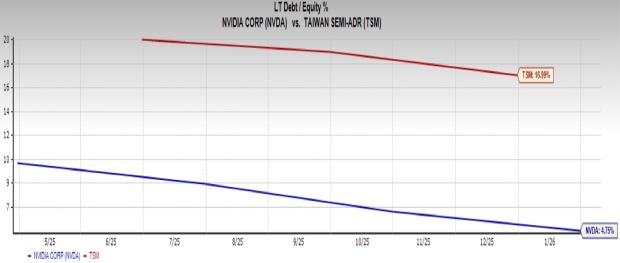
However, knowing AMD competes with Nvidia Corp. (NVDA) in a fiercely competitive and cyclical market has led some investors to sell AMD shares for months, despite the company’s impressive operating performance and robust balance sheet. The stock reached an all-time high of $213 per share one year ago but has since plummeted over 50%.
At around $100 per share, AMD is now too appealing to overlook.
Future Considerations
As the market situation evolves, investors should remain vigilant and consider diverse strategies while monitoring economic indicators and relevant stock performances.
Canada Goose Holdings: A Strong Stock Amid Tariff Concerns
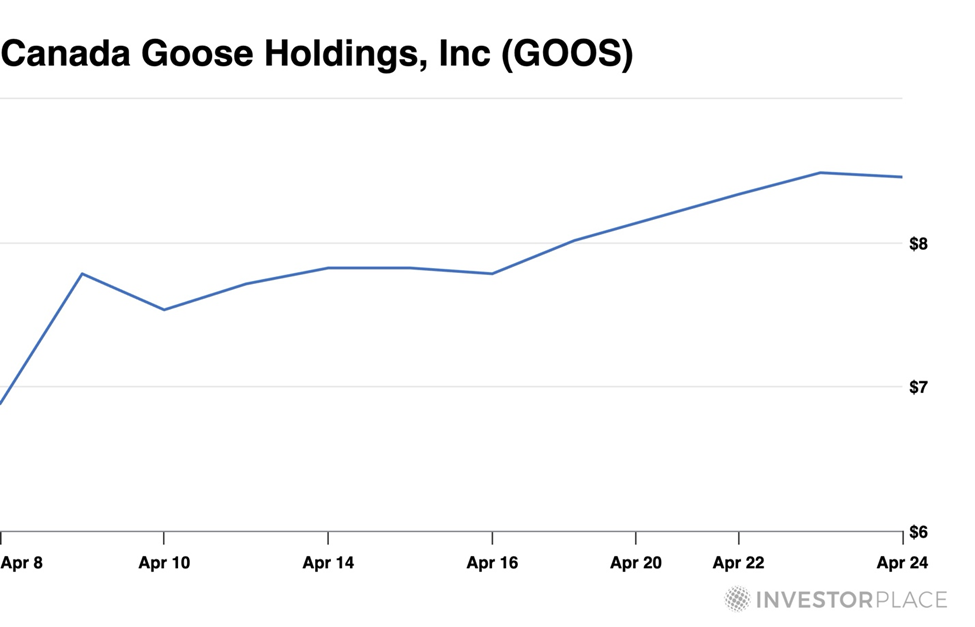
Two weeks ago, I highlighted luxury brand Canada Goose Holdings Inc. (GOOS) as a promising investment option. If you’re not familiar, Canada Goose is a global leader in performance luxury and lifestyle apparel, comparable to brands like Patagonia and North Face. They produce a variety of outdoor wear, including parkas, puffers, rain jackets, and hoodies, appealing both to serious outdoor enthusiasts and to urban consumers.
The brand can endure trade disputes due to its duty-free export strategy. Under the United States-Mexico-Canada Agreement (USMCA), which President Trump signed during his first term, the U.S. imposes no tariffs on apparel and textile exports from Canada.
Since Eric’s initial recommendation in early April, GOOS stock has risen by 15%.
Investors are eager for a resolution to ongoing tariff discussions, yet it’s essential to adhere to your investment strategy in the interim.
For Eric and his Investment report readers, this entails selecting stocks within the AI Megatrend and identifying companies that can maintain profitability despite tariff challenges.
Additionally, Eric is closely monitoring a new initiative from Elon Musk that could significantly impact the evolving AI landscape. More details about this project can be found here.
Wishing you a productive weekend,
Luis Hernandez
Editor in Chief, InvestorPlace
P.S. China’s strategy to counteract U.S. tariffs extends beyond trade measures.
This comprehensive approach may threaten the longstanding position of American leadership globally. While media coverage often highlights Trump’s tariffs as a primary focus… Elon Musk is pursuing a confidential project that could help preserve America’s competitive edge for years to come.
Further insights on Musk’s initiative are available here.